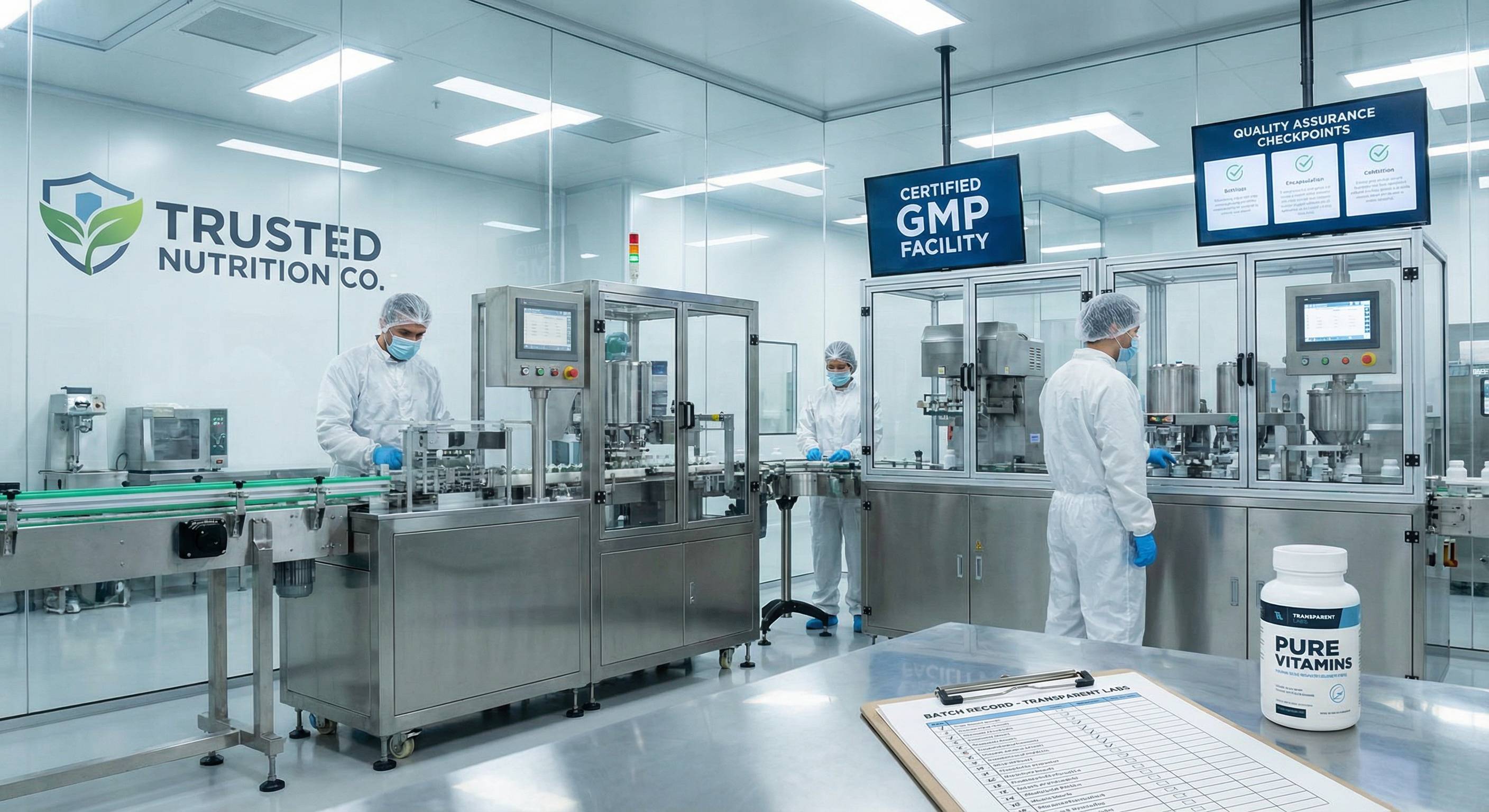

The dietary supplement industry is on an unstoppable trajectory. Global market size surpassed $180 billion in 2025 and is projected to exceed $320 billion by 2027, growing at a compound annual growth rate (CAGR) of approximately 8-9%. The COVID-19 pandemic permanently shifted consumer attitudes toward proactive health management, and that shift shows no signs of reversing.
For brands and entrepreneurs looking to enter or expand in this space, 2026 presents a massive opportunity. But success hinges on one critical decision: which product category do you build your brand around?
Choose a category with strong demand, good margins, and room for differentiation, and you set yourself up for success. Pick a saturated or declining category, and you'll struggle no matter how good your marketing is.
This guide breaks down the 10 best-selling supplement categories in 2026, with actionable insights on what to manufacture, why the category works, and how to position your products for maximum impact.
1. Magnesium Supplements 🔥 (The #1 Growth Category)
Magnesium has experienced explosive growth over the past two years. Google search volume for "magnesium supplements" has increased by over 200% since 2023, and the category shows no signs of slowing down. In 2025 alone, magnesium was the fastest-growing supplement category on Amazon, with year-over-year sales growth exceeding 40%.
Why It Sells
Universal appeal. Unlike niche supplements targeting specific demographics, magnesium benefits virtually everyone. Stress, poor sleep, muscle tension, and modern dietary patterns all contribute to widespread magnesium deficiency.
Social media momentum. TikTok and Instagram are flooded with content about magnesium's benefits — particularly for sleep and anxiety. The "Magnesium for Sleep" hashtag alone has accumulated over 500 million views. This organic social proof drives constant new customer acquisition.
Multiple sub-categories. Unlike single-product categories, magnesium offers multiple product angles:
| Form | Primary Benefit | Target Audience |
|---|---|---|
| Magnesium Glycinate | Sleep, relaxation, stress | General wellness, women 25-55 |
| Magnesium Citrate | Digestion, regularity | Gut health seekers |
| Magnesium L-Threonate | Brain function, cognition | Biohackers, students, aging adults |
| Magnesium Malate | Energy, muscle function | Athletes, active lifestyle |
| Magnesium Oxide | Budget-friendly, high dose | Price-sensitive buyers |
| Magnesium Taurate | Heart health | Cardiovascular-focused buyers |
What to Manufacture
Best-seller: Magnesium Glycinate capsules (200-400mg per serving). This is the most popular form for sleep and relaxation, and it commands the highest price point among standard magnesium forms.
High-growth product: Magnesium complex blends. Combining 2-4 different magnesium forms in one product (e.g., Glycinate + Malate + L-Threonate) creates a compelling "all-in-one" value proposition that justifies premium pricing of $30-45 per bottle.
Combo product: Sleep formulas combining Magnesium Glycinate with Melatonin, L-Theanine, and/or GABA. These blended products can sell for 2-3x the price of standalone magnesium.
Manufacturing Considerations
Magnesium is straightforward to manufacture. Most forms are stable powders that encapsulate well. Key considerations:
- Choose the right form for your target benefit
- Consider capsule size (magnesium is bulky, may require "00" capsules for higher doses)
- Avoid oxide for premium positioning (low bioavailability perception)
Margin insight: Raw material cost for magnesium glycinate is moderate, and retail pricing of $20-35 per bottle leaves healthy margins even after marketing costs.
2. Collagen Peptides
Collagen has completed the transition from niche beauty product to mainstream wellness staple. The global collagen market was valued at approximately $4.5 billion in 2024 and is projected to reach $7.5 billion by 2027. What's driving this growth is collagen's expansion beyond beauty into joint health, gut health, and sports recovery.
Why It Sells
Multi-benefit messaging. Collagen is one of the few supplements that can credibly claim benefits for skin, hair, nails, joints, bones, and gut health. This versatility allows brands to reach multiple audience segments with a single product.
Subscription-friendly. Collagen powders are consumed daily, making them ideal for subscription models. Monthly recurring revenue (MRR) from collagen subscriptions tends to be higher than most other supplement categories.
Demo versatility. While women aged 30-60 remain the primary demographic, collagen is increasingly popular with:
- Men over 40 (joint health)
- Athletes and active individuals (recovery)
- Vegan consumers (marine collagen)
- Beauty-from-within shoppers
What to Manufacture
Best-seller: Unflavored hydrolyzed collagen peptides powder (Type I & III, 10-20g serving). This is the entry point for most collagen brands. Unflavored means it can be mixed into coffee, smoothies, water, or food without altering taste.
Premium option: Marine collagen capsules. While powders dominate sales, marine collagen capsules appeal to consumers who dislike mixing drinks. The "marine" sourcing also justifies a $35-50 price point.
Trending product: Collagen + Vitamin C + Hyaluronic Acid combos. Vitamin C is essential for collagen synthesis, and hyaluronic acid complements collagen's skin benefits. This trifecta product is one of the fastest-growing sub-categories.
Innovation opportunity: Ready-to-drink (RTD) collagen shots. Convenience drives premium pricing, and RTD collagen is still an under-penetrated segment.
Manufacturing Considerations
- Hydrolyzed collagen dissolves in both hot and cold liquids — test solubility in your target format
- Marine collagen (from fish) is more expensive but commands premium pricing
- Bovine collagen is the most cost-effective option for high-volume production
- Flavored options (berry, citrus, tropical) help differentiate in a growing market
Margin insight: Bulk collagen peptides are relatively inexpensive ($8-15/kg). With retail pricing of $25-40 per 30-serving tub, margins are among the best in the supplement industry.
3. Probiotics & Gut Health
The gut health boom that accelerated during the pandemic has matured into a permanent market shift. Consumers now understand the gut-brain axis, the importance of the microbiome, and the role of probiotics in immune function. The global probiotics market is expected to reach $85 billion by 2028.
Why It Sells
Strong educational tailwind. Doctors, dietitians, and influencers all recommend probiotics, giving the category strong credibility. Unlike some supplement categories that require extensive consumer education, probiotics come with built-in awareness.
Natural upsell path. Probiotic users are highly likely to purchase related products (prebiotics, digestive enzymes, collagen, fiber) — making this an excellent gateway category for brand expansion.
Premium pricing power. Consumers are willing to pay $30-50 for a quality probiotic. The "CFU arms race" (50 billion, 100 billion, etc.) gives brands levers to justify higher price points.
What to Manufacture
Best-seller: Multi-strain probiotic capsules with 30-50 billion CFU and 10+ strains. This is the sweet spot for mainstream consumers. Include Lactobacillus and Bifidobacterium strains for broad-spectrum gut support.
Growth product: Shelf-stable probiotics. While refrigerated probiotics are common, shelf-stable formulations eliminate cold chain logistics — a major advantage for e-commerce brands.
Combo product: Probiotic + Prebiotic + Digestive Enzyme blends ("Total Gut Health"). These all-in-one products command $40-60 retail and have strong perceived value.
Niche opportunity: Targeted probiotics — women's health, immune support, mood/gut-brain axis, and post-antibiotic recovery. Targeted formulations allow for premium pricing and specific marketing angles.
Manufacturing Considerations
- CFU count at time of manufacture vs. expiry matters — some manufacturers guarantee CFUs through expiry
- Strain selection is more important than strain count
- Shelf-stable requires specialized encapsulation technology
- Probiotics need moisture and temperature control during production and storage
Margin insight: Probiotics have strong margins at $30+ retail, but formulation and stability testing add upfront costs. Expect $5-15k in development costs before launch.
4. Ashwagandha & Adaptogens
Adaptogenic herbs represent one of the fastest-growing segments in the supplement industry. Ashwagandha leads the category, but Rhodiola Rosea, Holy Basil (Tulsi), Eleuthero, and Schisandra are gaining significant traction. The global adaptogen market is growing at approximately 8.5% CAGR.
Why It Sells
Stress is universal. In an increasingly anxious world, stress management supplements have gone from "nice to have" to "essential" for millions of consumers. This isn't a trend — it's a structural shift in consumer behavior.
Social media virality. Ashwagandha content on TikTok has generated over 1.5 billion views. The supplement's effects (reduced cortisol, improved sleep, lower anxiety) are easy to communicate in short-form video.
Dual positioning. Adaptogens work for both:
- Daily wellness: Low-dose, long-term stress adaptation
- Acute relief: Higher doses for immediate stress and sleep support
What to Manufacture
Best-seller: Ashwagandha KSM-66 capsules (300-600mg). KSM-66 is the most clinically studied ashwagandha extract, and consumers increasingly look for this specific trademarked ingredient. The KSM-66 logo on your label adds immediate credibility.
Growth product: Stress relief blends. Combining multiple adaptogens creates a more compelling product than any single herb alone. Popular blends include:
- Ashwagandha + Rhodiola Rosea + L-Theanine
- Ashwagandha + Holy Basil + Magnolia Bark
- Ashwagandha + Passion Flower + Lemon Balm
Unique angle: Mushroom + Adaptogen blends (e.g., Lion's Mane + Ashwagandha for focus and calm). This cross-category product appeals to the biohacking and cognitive enhancement crowd.
Delivery innovation: Adaptogen gummies. While capsules dominate, gummy formats are growing fast and appeal to younger consumers who prefer a more enjoyable supplement experience.
Manufacturing Considerations
- Standardized extracts (withanolide content) command higher prices than raw herb powder
- KSM-66 and Sensoril are the most recognized ashwagandha trademarks — using them adds cost but increases consumer trust
- Adaptogens are forgiving in formulation — they combine well with other ingredients
- Taste can be an issue for powdered formats (adaptogens tend to be bitter)
Margin insight: Ashwagandha raw materials are affordable ($20-50/kg for standardized extracts). Retail pricing of $20-35 per bottle provides excellent margins for brands.
5. Vitamin D3 + K2
This combination has become the "starter supplement" recommended by doctors, nutritionists, and health influencers worldwide. The logic is simple: most people are vitamin D deficient, D3 requires K2 for optimal calcium routing, and the combination supports bone health, immune function, and cardiovascular health.
Why It Sells
Universal addressable market. Nearly everyone can benefit from vitamin D supplementation. The addressable market is literally anyone who doesn't get enough sunlight — which, in modern indoor lifestyles, is most people.
Doctor recommended. Vitamin D is one of the few supplements that medical professionals consistently recommend. This gives the category inherent trust that many supplement categories lack.
Simple, low-risk purchase. At $15-25 per bottle, D3+K2 is an easy impulse purchase for health-conscious consumers. Brand loyalty is relatively low, meaning new brands can enter and capture market share.
What to Manufacture
Best-seller: D3 (5000 IU) + K2 (MK-7, 100mcg) softgels. This dosage is the industry standard and the most searched-for combination. Softgel format ensures optimal absorption.
Growth product: High-potency D3 drops. Liquid drops appeal to consumers who prefer customizable dosing. A 2000-5000 IU per drop concentration is the sweet spot.
Combo product: D3 + K2 + Calcium. The classic bone health trifecta. While calcium is less trendy than it was a decade ago, this combination still moves significant volume, especially in the 50+ demographic.
Premium option: D3 + K2 + CoQ10 for heart health. This combination positions your product for cardiovascular health — a premium niche with affluent, loyal customers.
Manufacturing Considerations
- Softgel is the preferred format for oil-based vitamin formulations
- MK-7 (menaquinone-7 from natto) is the preferred K2 form — it's more bioavailable and has longer half-life than MK-4
- Vitamin D3 is one of the cheapest raw materials in the supplement industry
- Light and heat sensitive — packaging matters
Margin insight: Incredible margins. Raw material cost per bottle is often under $1. With retail pricing of $20-30, this is one of the most profitable supplement categories available.
6. Plant-Based Protein Powders
The protein powder market is massive — estimated at over $20 billion globally. While whey protein still dominates, the plant-based segment is the growth engine, expanding at 10-12% CAGR. Consumer motivation is shifting: it's not just vegans anymore. Flexitarians, lactose-intolerant individuals, and environmentally conscious consumers make up a growing share of plant-based protein buyers.
Why It Sells
Expanding demographic. Nearly 40% of plant-based protein buyers are not vegetarian or vegan — they simply prefer plant options for digestive comfort or environmental reasons. This significantly expands your total addressable market.
Subscription-friendly. Protein is consumed daily and in consistent amounts, making it ideal for subscription models. Average customer retention for protein subscriptions is 8-12 months.
Differentiation opportunities. Unlike whey (where it's hard to differentiate), plant protein allows for innovation in:
- Taste and texture (the holy grail)
- Ingredient sourcing (pea, rice, hemp, pumpkin seed, sacha inchi)
- Digestive enzymes added for easier digestion
- Flavor innovation (chocolate is standard, but matcha, chai, and fruit flavors are growing)
What to Manufacture
Best-seller: Pea protein isolate (unflavored or vanilla). Pea protein has the best amino acid profile among single-source plant proteins and the most neutral taste. It's the default choice for most brands.
Premium product: Organic plant protein blend (pea + rice + hemp). A multi-source blend provides a complete amino acid profile and appeals to premium, health-conscious buyers willing to pay $50-70 per tub.
Trending format: Single-serve packets. E-commerce brands love single-serve packaging for sampling programs, subscription trial packs, and retail placement. The per-serving margin is significantly higher than bulk tubs.
Manufacturing Considerations
- Taste is the #1 challenge — thorough testing is essential before committing to a formula
- Texture and mixability vary significantly between suppliers
- Organic certification adds 30-50% to raw material costs but justifies premium pricing
- Packaging matters: resealable stand-up pouches are preferred over plastic tubs by eco-conscious consumers
Margin insight: Raw protein is moderately expensive compared to vitamin categories, but retail pricing of $40-70 per tub still leaves healthy margins for brands with efficient customer acquisition.
7. NMN, NR & NAD+ Boosters (Longevity)
The longevity market is one of the most exciting frontiers in supplements. NMN (Nicotinamide Mononucleotide) and NR (Nicotinamide Riboside) are the leading NAD+ precursors, and consumer demand has exploded despite regulatory complexities. The longevity supplement market is projected to reach $45 billion by 2027.
Why It Sells
Premium positioning. Longevity supplements attract affluent, educated consumers who are willing to spend $50-100+ per month. These are high-value customers with strong lifetime value.
Powerful narrative. "Slowing aging" is one of the most compelling product stories in any industry. The combination of scientific backing and aspirational messaging is incredibly effective.
Strong repeat purchase. NAD+ precursor supplementation requires daily, ongoing use — customers don't "finish" their bottle and stop. This creates exceptional long-term customer value.
What to Manufacture
Best-seller: NMN sublingual powder (500-1000mg serving). Sublingual (under the tongue) administration is believed to bypass the digestive system for better absorption. This format commands $50-80 per bottle.
Growth product: Liposomal NMN capsules. Liposomal encapsulation technology is the newest trend in NAD+ delivery, with claims of significantly higher bioavailability. The technology justifies premium pricing of $70-100+.
Combo product: NAD+ optimizing complexes combining NMN + Resveratrol + TMG (trimethylglycine). This "longevity stack" approach appeals to biohackers and commands even higher price points.
Important Regulatory Note
The regulatory status of NMN varies by market. As of early 2026:
- USA: NMN may be restricted as a dietary ingredient (FDA enforcement varies)
- Europe: Novel Food authorization is required
- Asia: Generally more permissive, but varies by country
Always verify current regulations in your target markets before investing in product development. Work with a manufacturer who stays on top of regulatory changes.
Manufacturing Considerations
- NMN is moisture and heat sensitive — requires careful handling
- Sublingual powder requires specific particle size for optimal absorption
- Liposomal technology adds significant cost but enables premium positioning
- Quality varies dramatically between raw material suppliers — third-party testing is essential
Margin insight: Highest margins in this list. Raw material costs are significant ($200-800/kg depending on purity and form), but retail pricing of $60-120 per bottle means margins are excellent for well-positioned brands.
8. Functional Mushroom Supplements
Functional mushrooms have moved from fringe health food stores to mainstream retail in just a few years. Lion's Mane (cognitive function), Reishi (sleep and immunity), Cordyceps (energy and athletic performance), and Chaga (antioxidant support) lead the category. The global functional mushroom market is growing at 9-10% CAGR.
Why It Sells
Unique positioning. Mushrooms have compelling, unique benefits that aren't easily replicated by other supplements. Lion's Mane for focus, Reishi for deep sleep — these are differentiated products that stand out in a crowded market.
Versatile delivery. Mushrooms work in capsules, powders, tinctures, gummies, and even coffee blends. This versatility allows brands to target multiple consumer segments.
Social media friendly. Mushroom coffee, mushroom hot chocolate, and mushroom "superfood" blends are visually appealing and heavily shared on social media.
What to Manufacture
Best-seller: Lion's Mane capsules (500-1000mg). Cognitive enhancement is one of the hottest supplement categories, and Lion's Mane is its fastest-growing ingredient. Students, entrepreneurs, and aging adults are the primary demographics.
Trending product: Mushroom coffee blends. Lion's Mane + Cordyceps blended with instant coffee is one of the fastest-growing sub-categories. Consumers get caffeine energy plus mushroom cognitive benefits in one drink.
Combo product: 5-7 Mushroom complex capsules. Multiple mushroom species in one product appeals to consumers who want comprehensive immune and cognitive support without buying multiple bottles.
Manufacturing Considerations
- Use fruiting body extracts rather than mycelium on grain — higher potency and better consumer perception
- Dual-extraction (water + alcohol) yields the broadest spectrum of beneficial compounds
- Mushroom powders have strong, distinctive flavors — encapsulation or blending with flavors is often necessary
- Beta-glucan standardization is the industry benchmark for quality
Margin insight: Raw mushroom extracts are moderately expensive, but strong consumer demand supports retail pricing of $25-45 per bottle. Premium positioning is achievable with transparent sourcing and extraction details.
9. Women's Multivitamins (Life-Stage Targeted)
The multivitamin market is massive but mature. However, life-stage specific women's multivitamins — prenatal, menopause, 40+, and 50+ formulas — continue to show strong growth. These are among the highest-converting supplement products in e-commerce.
Why It Sells
Targeted messaging. Women's multivitamins can be precisely marketed based on life stage, making ad targeting more efficient. "Multivitamin for women over 40" converts better than "multivitamin for women."
High purchase intent. Women account for approximately 80% of household health purchasing decisions. They are also more likely to research ingredients and seek out high-quality formulations.
Low churn. Women's multivitamins (especially prenatal) are often purchased as part of a health routine with strong commitment. Monthly subscription rates can exceed 70%.
What to Manufacture
Best-seller: Prenatal multivitamin with methylated folate (active folate). This is the most competitive but also the most reliable volume driver in women's supplements. Methylated forms are the current standard — avoid folic acid for premium positioning.
Growth product: Menopause support multivitamin. Over 50 million women enter menopause annually worldwide, and this demographic is underserved by supplement brands. Key ingredients: black cohosh, vitamin D, magnesium, B vitamins.
Premium product: Women's 40+ multivitamin with eye, bone, and energy support. Midlife women have high disposable income and strong health motivation. This is an excellent category for premium brands.
Manufacturing Considerations
- Prenatal formulations require careful attention to ingredient safety (especially vitamin A form)
- Methylated B vitamins (methylfolate, methylcobalamin) are more expensive but increasingly expected by informed consumers
- Iron inclusion in women's multis adds formulation complexity (taste, gastrointestinal tolerance)
- Tablet size matters — women prefer smaller, easier-to-swallow tablets or capsules
Margin insight: Standard multis have thin margins at low price points, but life-stage targeted formulations at $25-40 retail offer excellent margins. Prenatal commands the highest price point in this category.
10. Algae-Based Omega-3 (Vegan DHA/EPA)
Omega-3 has been a top-selling supplement category for decades, but the growth driver is now algae-based (vegan) omega-3. Environmental concerns, overfishing issues, and the rise of plant-based diets are pushing consumers away from traditional fish oil. The algae oil market is growing at 12-15% CAGR.
Why It Sells
Sustainability story. Algae-based omega-3 has a compelling environmental narrative — no fishing, no ocean pollution, no fish burps. This story resonates strongly with younger, environmentally conscious consumers.
Vegan growth. The global vegan population is growing at 10%+ annually, and vegans are among the most loyal supplement consumers. Algae omega-3 is the only plant-based source of both DHA and EPA.
Clean label appeal. No fishy aftertaste, no heavy metal concerns, no ocean pollutants — algae omega-3 is positioned as a "cleaner" alternative to fish oil.
What to Manufacture
Best-seller: Algae DHA + EPA softgels (500mg total, with at least 200mg DHA). Brain and heart health are the primary positioning angles. Aim for softgels that are small enough to be easily swallowed — large softgels are a barrier to purchase.
Premium product: High-dose DHA algae oil (500-700mg DHA). Prenatal and brain health are the premium niches. Expect to pay more for high-DHA concentrates.
Growth opportunity: Vegan omega-3 gummies. Gummy delivery is exploding across all supplement categories, and vegan omega-3 gummies are an underserved niche.
Manufacturing Considerations
- Algae oil is more expensive than fish oil (2-3x the cost)
- The oil is sensitive to oxidation — quality packaging and antioxidants (vitamin E, rosemary extract) are essential
- Softgel shell material must be vegan (plant-based, not gelatin)
- Third-party testing for oxidation markers (peroxide value, anisidine value) builds consumer trust
Margin insight: Raw material costs are high ($50-150/kg), but premium consumers accept $30-50 per bottle. Brands with a strong sustainability story can command even higher prices.
Quick Reference: Category Comparison
| Category | Demand Trend | Retail Price Range | Manufacturing Difficulty | Margin Potential |
|---|---|---|---|---|
| Magnesium | 📈 Rapid growth | $20-45 | Easy | High |
| Collagen | 📈 Steady growth | $25-40 | Moderate | High |
| Probiotics | 📈 Steady growth | $30-55 | Moderate-High | Medium-High |
| Ashwagandha | 📈 Rapid growth | $20-35 | Easy | High |
| D3 + K2 | 📈 Steady growth | $15-30 | Easy | Very High |
| Plant Protein | 📈 Steady growth | $40-70 | Moderate | Medium |
| NMN/Longevity | 📈 Niche growth | $50-120 | High | Very High |
| Mushrooms | 📈 Rapid growth | $25-45 | Moderate | High |
| Women's MV | 📈 Targeted growth | $25-40 | Moderate | Medium-High |
| Algae Omega-3 | 📈 Rapid growth | $30-50 | Moderate-High | Medium-High |
How to Choose the Right Category for Your Brand
If You're a First-Time Brand Owner
Start with Magnesium, D3+K2, or Ashwagandha. These categories offer:
- Low formulation risk
- Straightforward manufacturing
- Strong existing demand
- Moderate to high margins
- Room for brand-level differentiation (messaging, packaging, blends)
Launch with one hero product, prove your brand concept, and then expand into adjacent categories.
If You're an Existing Brand Expanding
Consider Functional Mushrooms or Algae Omega-3. These are fast-growing categories that aren't yet saturated. First-mover advantage is still available, and strong branding can capture significant market share.
If You're Going for Maximum Margins
NMN/Longevity supplements and high-dose Collagen offer the best unit economics. These categories require more consumer education but reward brands with exceptional margins and loyal, high-value customers.
If You Want Subscription Revenue
Collagen, Protein Powders, and Probiotics have the highest subscription attachment rates. Daily-use products with predictable consumption create natural recurring revenue streams.
Why Choose Zoomsheal Health as Your Manufacturing Partner?
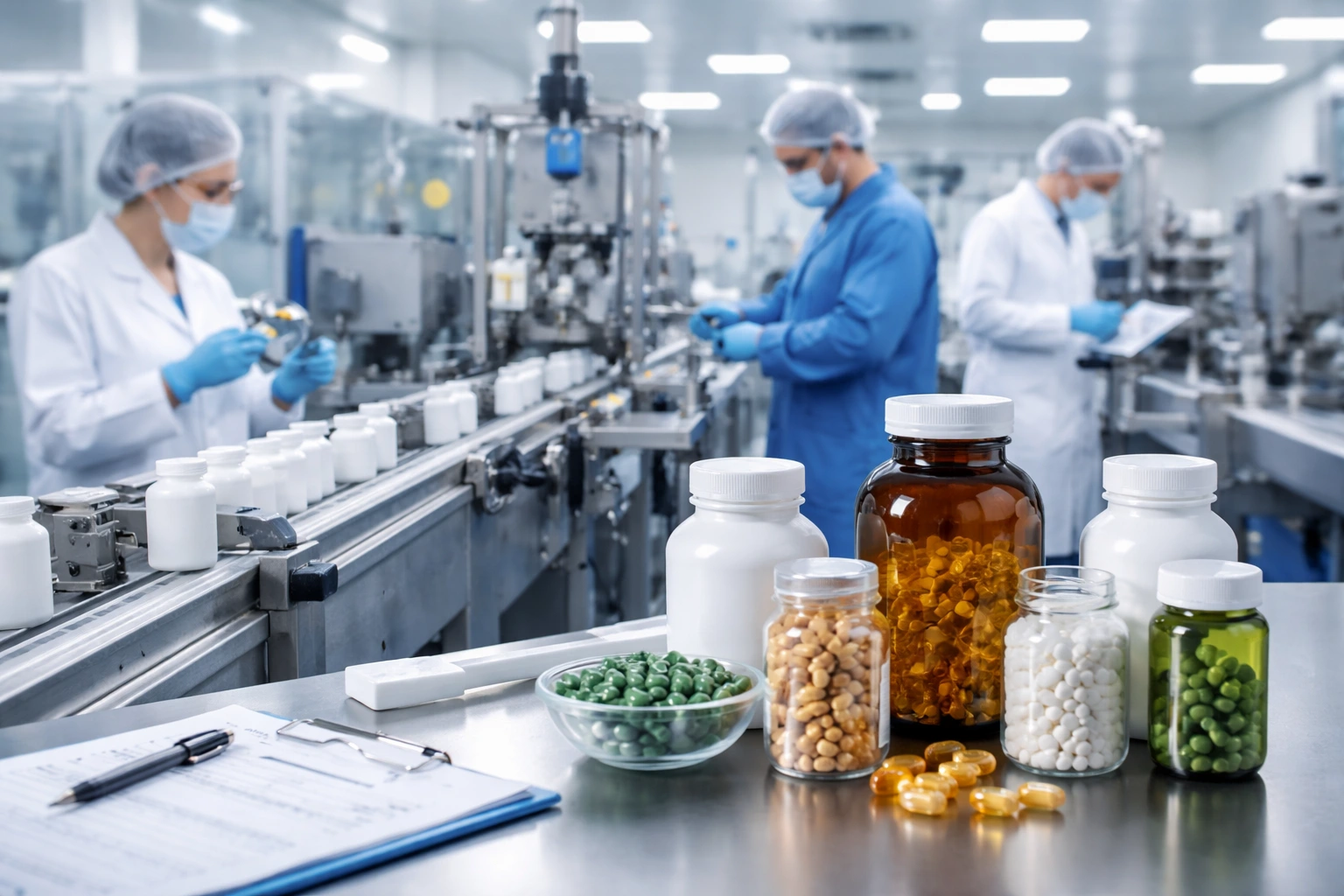
At Zoomsheal Health, we help brands bring supplement products to market across all of the categories listed above. Our manufacturing capabilities include:
Manufacturing Services:
- ✅ Capsule filling (vegetable and gelatin capsules, all sizes)
- ✅ Tablet compression and coating
- ✅ Powder blending and packaging
- ✅ Softgel encapsulation
- ✅ Liquid filling (bottles, droppers, shots)
- ✅ Gummy manufacturing
Turnkey Solutions:
- ✅ Existing formulations ready for your branding
- ✅ Custom formulation development
- ✅ Raw material sourcing and qualification
- ✅ Third-party stability and microbiology testing
- ✅ Label and pack design support
Quality Certifications:
- GMP-certified production facilities
- HACCP quality management
- Full raw material traceability
- Batch-to-batch consistency protocols
- Export-ready documentation
Whether you're launching your first product or your fiftieth, we provide the manufacturing expertise, quality assurance, and supply chain reliability you need to succeed.
Ready to start your supplement brand?
📞 Contact us today for a free consultation and manufacturing quote.
Phone: +86 158 7653 6887
Email: info@zoomsheal.com
We'll help you choose the right product category, develop a winning formulation, and bring your product to market on time and on budget.
Disclaimer: This article is for informational purposes only and does not constitute medical advice. All supplement claims should be reviewed for compliance with applicable regulations in your target market. Statements regarding dietary supplements have not been evaluated by the FDA or equivalent regulatory bodies.
About Zoomsheal Health
Zoomsheal Health is a leading private label dietary supplement manufacturer based in China. With GMP-certified facilities, strict quality control protocols, and extensive industry experience, we help supplement brands around the world launch, scale, and succeed. From concept to finished product, we handle every step of the manufacturing process. Contact us today to discuss your project.