
How to Find a Reputable Supplement Factory: A Comprehensive Guide
Finding a reputable supplement factory is one of the most crucial steps in launching a successful supplement brand. In a market flooded with countless supplement options, the quality and safety of your product can significantly impact your brand's reputation and consumer trust. As a business owner, whether you're considering producing gummy supplements, powders, capsules, or any other type of supplement, choosing the right manufacturer is not just about cost—it's about ensuring your product is made to the highest standards, compliant with regulations, and safe for consumers.
Choosing the wrong manufacturer can lead to a wide range of issues, including quality control problems, regulatory violations, delayed production times, and even product recalls. On the other hand, selecting a reliable, trustworthy factory can streamline your production process, ensure the consistency of your product, and ultimately help your brand thrive in the competitive supplement market.
In this guide, we will explore the key factors you need to consider when evaluating potential supplement factories. We’ll cover essential topics like regulatory compliance, factory certifications, quality control procedures, and how to assess a manufacturer’s reputation. By the end of this article, you’ll be equipped with the knowledge you need to choose a manufacturer that will support the long-term success of your supplement brand.
1. Regulatory Compliance and Certifications: The Foundation of Quality Manufacturing
One of the most important aspects to look for in a reputable supplement manufacturer is compliance with regulatory standards. The supplement industry is heavily regulated in many countries to ensure the safety and quality of the products being sold. Depending on where you’re selling, the regulatory requirements will vary, but there are a few certifications and standards that are critical for establishing trust and credibility.
Good Manufacturing Practices (GMP) Certification
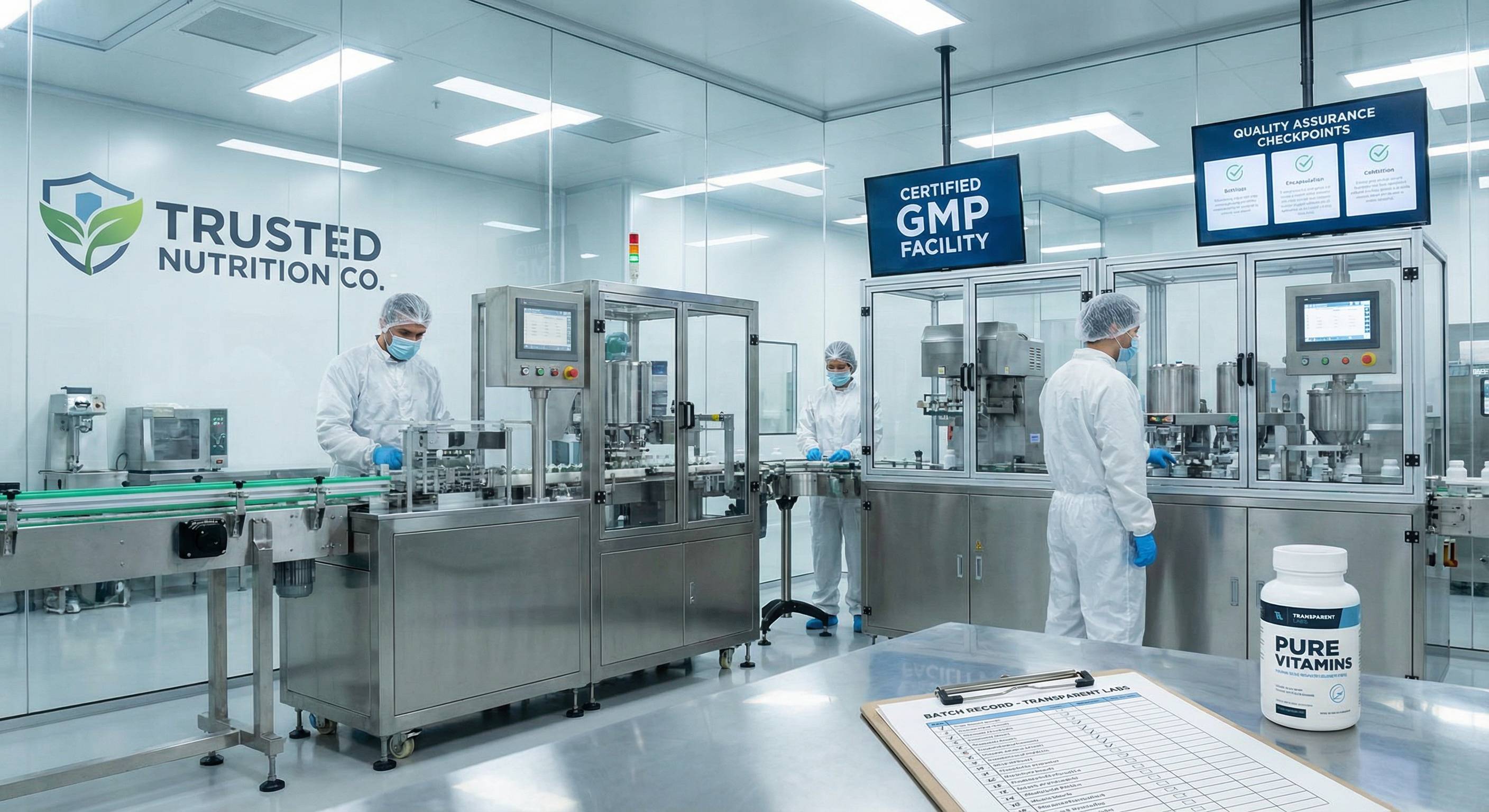
The GMP certification is one of the most important quality standards for supplement manufacturers. It ensures that the factory is operating in a way that consistently produces safe and high-quality products. Factories with GMP certification are required to meet specific guidelines that cover everything from the cleanliness of the production area to the sourcing and handling of raw ingredients.
Why it matters:
-
Consistency: GMP-certified factories follow standardized processes that ensure every batch of supplements is made to the same high quality.
-
Safety: GMP standards help minimize the risk of contamination, mislabeling, and other safety concerns that could compromise the quality of your supplements.
-
Traceability: GMP requires manufacturers to keep detailed records of every step of the production process, which helps ensure accountability and transparency.
ISO Certification
Another important certification to look for is ISO 9001, which focuses on quality management. An ISO-certified factory demonstrates that they have implemented systems for continuous improvement, efficient management, and customer satisfaction.
Why it matters:
-
Global Standards: ISO certification is recognized internationally, making it an important standard for factories looking to sell globally.
-
Process Optimization: ISO standards require factories to continually assess and improve their operations, ensuring your supplements are produced at the highest quality levels.
FDA Registration (For U.S. Markets)
In the U.S., the FDA (Food and Drug Administration) does not approve dietary supplements before they hit the market, but it does regulate them to ensure safety and proper labeling. A reputable manufacturer should be registered with the FDA, indicating they comply with the Dietary Supplement Health and Education Act (DSHEA).
Why it matters:
-
Regulatory Approval: An FDA-registered facility is more likely to meet U.S. safety standards for dietary supplements, ensuring your products are legally compliant.
-
Consumer Trust: Selling supplements manufactured in an FDA-registered facility can increase consumer trust, especially in the U.S. market.
2. The Manufacturer's Reputation and Experience in the Industry
The manufacturer’s reputation is another essential consideration when selecting a supplement factory. A manufacturer with years of experience is more likely to have refined processes, reliable systems, and a better understanding of the complexities of supplement production.
Ask for References and Reviews
Before committing to a supplement manufacturer, ask for references from previous clients. A reputable factory should be willing to provide you with contact information for other businesses they have worked with, so you can get a sense of their experience and customer satisfaction.
-
Ask about product quality: Do previous clients report consistent, high-quality products?
-
Inquire about reliability: Were production timelines met? Did the manufacturer deliver on their promises?
-
Customer service: Was the communication clear, and were any issues handled professionally?
Online Research and Reputation
In addition to references, you should also conduct thorough online research. Look for reviews on independent platforms, such as industry forums, social media, and websites like Trustpilot or Google Reviews. You can also look for case studies or testimonials from reputable companies in your industry.
A manufacturer’s online presence and their reputation in the industry are strong indicators of their reliability. If a factory has numerous negative reviews or unresolved issues, it may be best to steer clear.
Industry Experience and Expertise
You also want a manufacturer with specific experience in the type of supplements you plan to produce. For example, creating gummy supplements requires different expertise than manufacturing powder-based products or capsules.
-
Specialization: Find out if the manufacturer specializes in the type of product you’re making. For example, if you’re creating a line of gummy vitamins, it’s important that the factory has experience with gummy formulations and the necessary equipment to handle the production.
-
Track Record: An experienced manufacturer is likely to have a more efficient production process and fewer quality control issues, which can save you time and money in the long run.
3. Assessing Manufacturing Capabilities and Facilities
While certifications and reputation are crucial, you also need to assess the factory’s actual capabilities. Not every supplement factory can meet the needs of every business, so it’s important to make sure the manufacturer can produce your product to the required standards.
Production Capacity
The factory should have the capacity to handle your current order size and future growth. Whether you are starting with small runs or aiming to scale quickly, ask the manufacturer about their production capabilities and lead times.
-
Scalability: Can the factory scale up production if your business grows?
-
Flexibility: Does the factory offer flexibility in terms of production schedules or batch sizes?
Equipment and Technology
The equipment and technology a factory uses will play a significant role in the quality and consistency of the products they produce. If you are developing a custom formulation, the factory should have the necessary equipment for small-scale trials and larger production runs.
Key factors to consider:
-
Modern Equipment: The factory should be equipped with state-of-the-art machinery for mixing, bottling, labeling, and packaging.
-
Testing Facilities: A reputable factory should have in-house laboratories for quality control and product testing. They should be able to test for heavy metals, microbial contamination, and ingredient purity.
4. Evaluate the Factory’s Quality Control and Testing Procedures
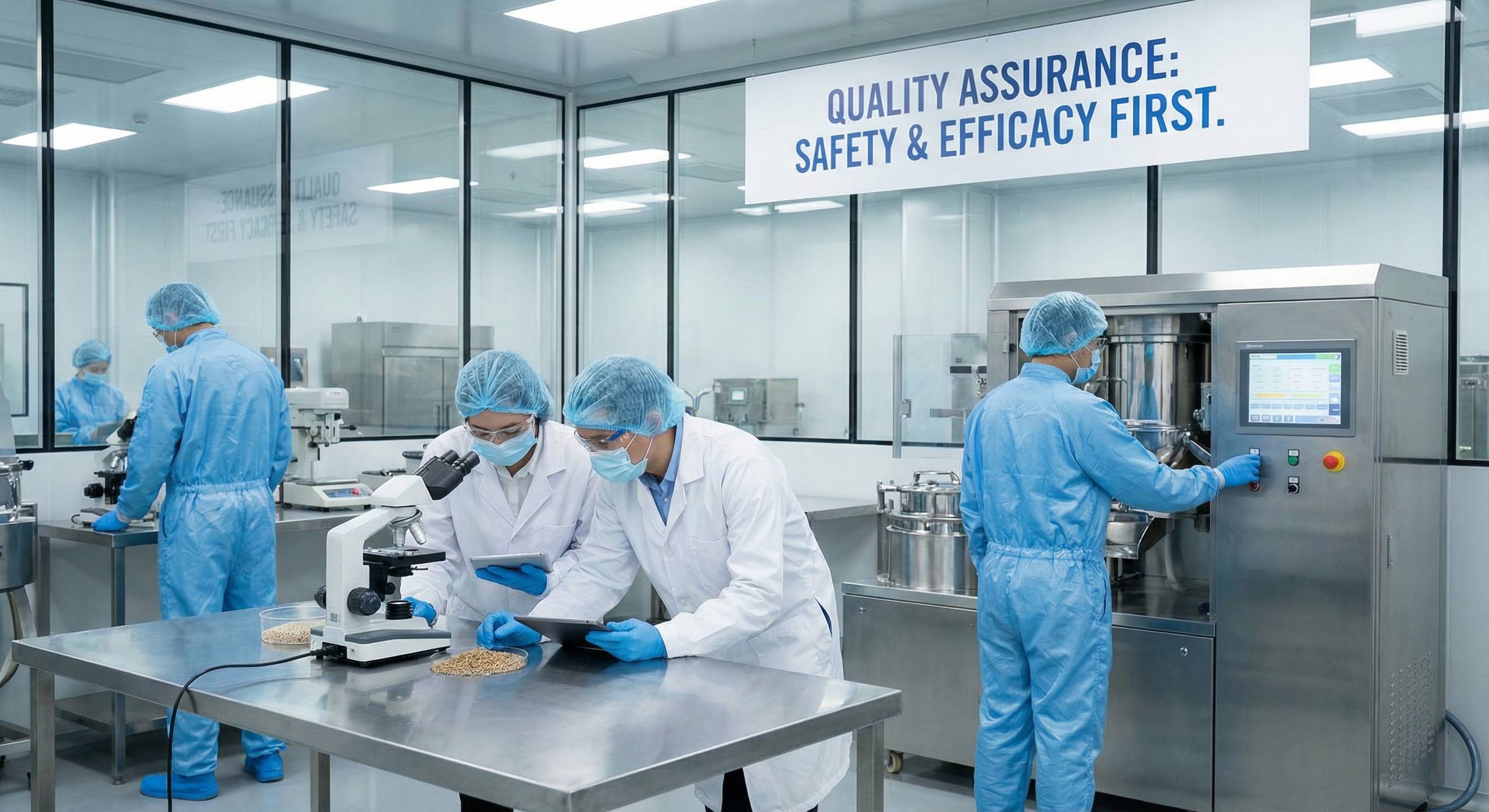
Quality control (QC) is the backbone of supplement production. A reputable supplement factory will have strict quality control procedures in place to ensure that every product meets your expectations and regulatory standards. This step is essential for ensuring the safety and efficacy of the products you are selling.
In-House Testing and Third-Party Labs
A trustworthy manufacturer will conduct in-house testing of raw materials and finished products to verify they meet the required quality standards. In addition to in-house testing, many factories work with third-party laboratories to validate the results and ensure unbiased testing.
-
Certificate of Analysis (COA): Every supplement batch should come with a COA from an accredited lab that verifies the purity and potency of the product, ensuring it contains the ingredients listed on the label without harmful contaminants.
-
Regular Audits: The factory should be able to show you proof of regular audits by third-party organizations to ensure ongoing compliance with industry standards.
Types of Testing to Expect
When working with a supplement manufacturer, expect the following types of tests to be conducted:
-
Stability Testing: Ensures the supplement maintains its efficacy and quality over time, particularly for products with a longer shelf life.
-
Microbial Testing: Verifies that the product is free of harmful bacteria, mold, or yeast.
-
Heavy Metal Testing: Checks for harmful substances like lead, arsenic, or mercury in the supplement.
These tests are not just about regulatory compliance—they are essential for consumer safety and trust. If a manufacturer is unwilling or unable to provide evidence of comprehensive quality testing, it may be a sign to look elsewhere.
5. Packaging and Labeling Capabilities
In the supplement industry, packaging and labeling are not just a matter of aesthetics—they are vital components of product compliance and marketing. A reputable manufacturer will offer various packaging solutions that meet both regulatory requirements and your branding needs.
Compliance with Labeling Standards
The labeling of supplements is governed by various regulations, including those set by the FDA (in the U.S.) and other international bodies. Labels must accurately reflect the ingredients and health claims made on the packaging, and they must adhere to industry standards such as the Supplement Facts panel, ingredient lists, and allergen warnings.
-
FDA Regulations: The FDA has strict guidelines for supplement labeling, including the Supplement Facts panel, which must include the correct amounts of active ingredients, serving size, and any warnings or disclaimers.
-
Certifications and Seals: If your product is organic, vegan, or non-GMO, ensure that the factory can accommodate the necessary certifications on the packaging.
Custom Packaging Options
The right packaging is crucial for brand identity and consumer trust. A reputable manufacturer will offer a range of packaging options, including:
-
Eco-friendly packaging: More consumers are looking for products with minimal environmental impact. Sustainable packaging options like glass, recyclable plastics, or compostable materials are important to many buyers.
-
Tamper-evident seals: These are required for consumer safety and are essential for creating a trustworthy brand.
-
Child-resistant packaging: Some products, particularly those with higher doses of active ingredients, may require child-resistant packaging for safety.
6. Communication and Customer Support
Strong communication is vital for any successful partnership. The best supplement manufacturers are transparent, responsive, and proactive. A manufacturing partner should be easy to reach, provide clear updates, and be available to address any concerns during the production process.
Clear and Prompt Communication
Communication breakdowns during the production process can lead to costly delays or mistakes. Look for a manufacturer that:
-
Responds to inquiries quickly and clearly.
-
Provides you with regular updates on production progress.
-
Is proactive about addressing any issues that arise during production.
After-Sales Support
Good customer service doesn’t end once the products are shipped. A reliable factory should offer after-sales support, such as helping you with troubleshooting any issues that arise post-production, assisting with returns or recalls, and providing guidance on any regulatory changes.
7. Cost Considerations: Balancing Price and Quality
While cost is an important factor when choosing a supplement manufacturer, don’t make price the only consideration. As the saying goes, “you get what you pay for.” A low-cost manufacturer may cut corners in production, quality control, or regulatory compliance, which could lead to subpar products and a damaged reputation for your brand.
Price Transparency
A reputable manufacturer will provide transparent pricing, breaking down the costs for raw materials, production, testing, and packaging. This allows you to see exactly where your money is going and ensure that the manufacturer is providing a fair price for the services and quality they offer.
Long-Term Investment
Remember, choosing a manufacturer is an investment in your brand’s long-term success. A high-quality product made by a reputable manufacturer is more likely to perform well in the market, leading to customer satisfaction and repeat business.
-
Quality vs. Quantity: If your goal is to build a sustainable, trustworthy brand, focusing on quality and reliability is more important than simply getting the lowest price. Cutting corners at the manufacturing stage can lead to product recalls, customer dissatisfaction, and damage to your brand’s reputation.
8. Building a Strong Partnership: Beyond Transactional Relationships
Finding a good supplement factory is not just about fulfilling a one-time need—it’s about building a long-term partnership. A trustworthy manufacturer should be invested in your success and offer guidance and support throughout the entire product development lifecycle.
Ongoing Collaboration
A reputable factory will collaborate with you on everything from product development to regulatory compliance, labeling, and marketing. They should be willing to share their expertise and work with you to create the best possible product.
Building a Relationship
Choosing the right factory is a partnership, not just a transaction. Look for manufacturers who share your values and are willing to grow with your business. A strong relationship can lead to greater flexibility, faster turnaround times, and a better understanding of your specific needs as your brand evolves.
Conclusion
Selecting the right supplement manufacturer is far more than just a logistical decision—it’s a foundational step in building a trusted and successful supplement brand. A reputable manufacturer is not only a production partner but also a key to ensuring the quality, safety, and compliance of your product. By carefully evaluating factors such as regulatory certifications, factory experience, quality control measures, and their commitment to customer service, you can make an informed decision that supports your brand’s growth.
While the process of finding the right factory may seem daunting, it’s an investment that will pay off in the long run. By working with a reliable supplement manufacturer, you’re ensuring that your product is made to the highest standards, that your brand stays compliant with industry regulations, and most importantly, that your customers receive a product they can trust.
At Zoomsheal, we understand the importance of quality and reliability in supplement manufacturing. As a GMP-certified manufacturer with years of experience in creating gummy supplements and other dietary products, we are committed to providing the highest-quality production services to help your brand succeed. Whether you're just starting out or looking for a trusted partner for scaling your operations, we’re here to support your growth and ensure your products meet the demands of today’s discerning consumers.