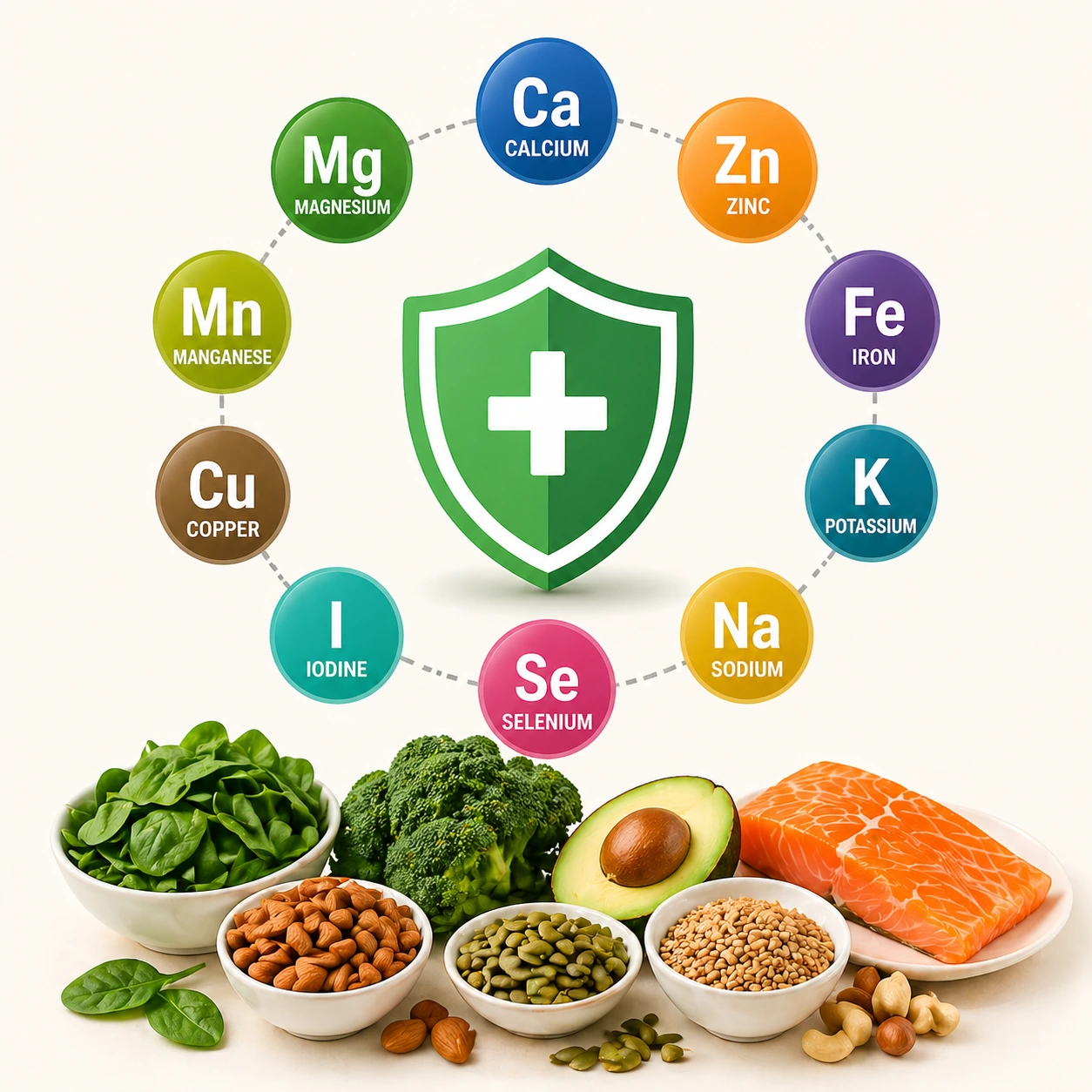

Mineral supplementation plays a vital role in modern health, supporting essential bodily functions ranging from energy metabolism and muscle contraction to immune response and bone strength. However, not all mineral supplements are absorbed equally, and the term “chelated” often appears on supplement labels, indicating a specific formulation designed to enhance bioavailability. Despite its prevalence, many consumers are unclear about what chelation means, how it works, and why it is important when selecting supplements containing minerals like magnesium, iron, zinc, calcium, copper, or manganese.
What Does “Chelated” Really Mean?
Chelation refers to a chemical process in which a mineral ion binds to an organic molecule—commonly an amino acid, peptide, or organic acid—to form a stable complex. The chelating agent “claws” the mineral, stabilizing it and preventing interactions with inhibitors in the digestive tract. This concept derives from the Greek word “chele”, meaning claw, and reflects the mineral being “held” by a molecule that facilitates its transport through the digestive system.
For example, magnesium glycinate is magnesium bound to the amino acid glycine, and iron bisglycinate is iron attached to two glycine molecules. These chelated minerals mimic the way minerals naturally occur in whole foods, where they are often bound to proteins or organic compounds. The resulting structure allows the body to absorb the mineral more efficiently and minimizes potential gastrointestinal discomfort that can occur with conventional mineral salts such as magnesium oxide or ferrous sulfate.
Chelated minerals are particularly valuable because certain dietary factors—like phytates in grains, oxalates in leafy vegetables, and excessive fiber intake—can inhibit mineral absorption. The chelating molecule shields the mineral from these inhibitors until it reaches the small intestine, where absorption occurs. This process makes chelated minerals more bioavailable and gentler on the digestive system.
How Chelated Minerals Work in the Body
The effectiveness of chelated minerals lies in their unique mechanism of absorption. Non-chelated minerals often interact with other dietary compounds, forming insoluble complexes that pass through the digestive tract without being absorbed. Chelated minerals, however, maintain a stable chemical bond that resists these interactions.
Once the chelated mineral reaches the small intestine, the bond is gradually broken, allowing the mineral to be absorbed efficiently. The amino acid or organic molecule attached to the mineral often facilitates this transport, serving as a “carrier” that improves the efficiency of uptake into the bloodstream. This mechanism is particularly important for minerals with lower natural bioavailability, such as magnesium and iron, which can otherwise be poorly absorbed or cause stomach upset.
Scientific studies support these claims. For instance, research comparing magnesium glycinate to magnesium oxide showed that chelated magnesium had significantly higher absorption rates and fewer gastrointestinal side effects. Similarly, clinical trials with iron bisglycinate demonstrated effective improvement in iron levels without the constipation commonly associated with conventional iron supplements. Such evidence highlights the practical advantages of chelated minerals in both clinical and everyday nutritional contexts.
Common Chelated Minerals and Their Specific Roles
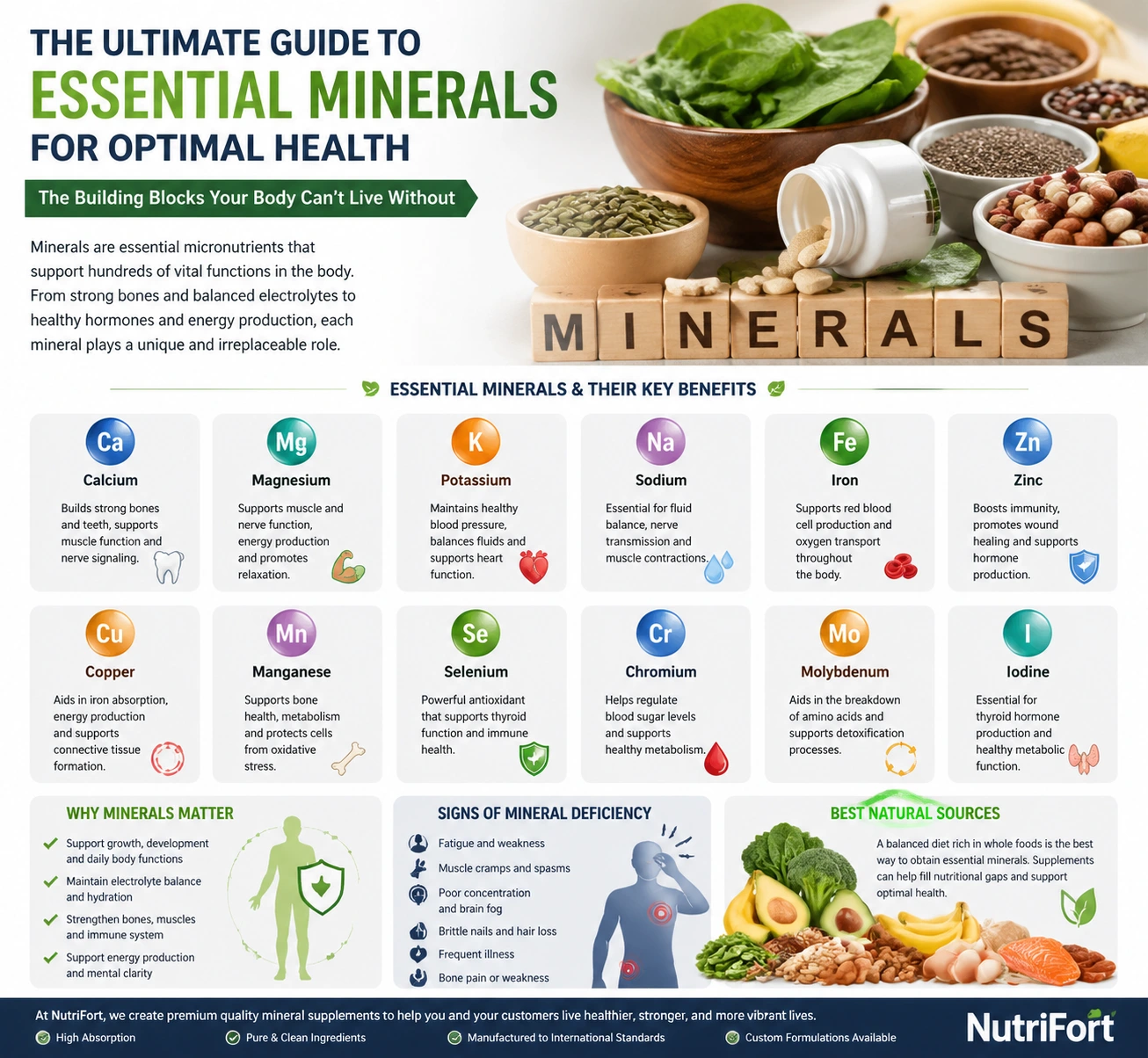
Magnesium
Magnesium is involved in over 300 enzymatic reactions, supporting energy production, nerve function, muscle relaxation, and bone health. Chelated forms such as magnesium glycinate, magnesium citrate, or magnesium malate are designed to improve absorption and reduce the laxative effect sometimes seen with magnesium oxide. Magnesium supplementation is particularly useful for individuals with high physical activity, stress, or dietary gaps.
Iron
Iron is essential for hemoglobin synthesis and oxygen transport. Non-chelated iron salts often cause nausea or constipation, especially at higher doses. Chelated iron forms, such as iron bisglycinate, improve gastrointestinal tolerance while maintaining absorption efficiency. These forms are commonly recommended for individuals with iron deficiency, pregnant women, or those on restrictive diets.
Zinc
Zinc is a critical cofactor for immune function, wound healing, and enzyme activity. Chelated zinc forms, including zinc glycinate and zinc picolinate, are absorbed more efficiently than zinc oxide and may support immune resilience during periods of high stress or illness.
Calcium
Calcium supports bone and teeth formation, muscle contraction, and cardiovascular function. Chelated calcium, such as calcium citrate or calcium amino acid chelates, is particularly beneficial for older adults or individuals with lower stomach acid levels, who may struggle to absorb standard calcium salts.
Copper
Copper is essential for connective tissue formation, iron metabolism, and antioxidant enzyme function. Chelated copper glycinate or gluconate can enhance absorption and utilization, supporting overall metabolic processes and preventing deficiency.
Manganese
Manganese contributes to bone development, metabolism of carbohydrates, amino acids, and cholesterol, and antioxidant defense. Chelated manganese forms, such as manganese glycinate or picolinate, are incorporated into supplements to improve bioavailability and ensure consistent intake.
Benefits and Advantages of Chelated Minerals
The key advantages of chelated minerals extend beyond improved absorption.
- Higher Bioavailability – The body can utilize a greater proportion of the ingested mineral, making supplementation more effective.
- Reduced Gastrointestinal Discomfort – Chelated forms minimize side effects like nausea, cramping, or constipation, especially with iron and magnesium.
- Enhanced Nutrient Interactions – Chelated minerals often interact more effectively with enzymes and cofactors, supporting metabolic processes.
- Consistency in Absorption – Individuals with digestive sensitivities or low stomach acid benefit from reliable absorption, ensuring supplementation achieves intended effects.
Chelated minerals are suitable for a wide range of users, from individuals seeking to fill dietary gaps to athletes with higher mineral requirements or older adults concerned with bone and metabolic health.
How to Choose High-Quality Chelated Mineral Supplements
Selecting the right chelated mineral supplement involves careful evaluation of several critical factors. Because the effectiveness of chelated minerals depends not only on the mineral itself but also on the chelation method, dosage, and manufacturing quality, making an informed choice is essential.
Ingredient Transparency and Labeling
The first step in choosing a supplement is reading the ingredient label carefully. A reputable product should specify:
- The type of mineral (e.g., magnesium, iron, zinc)
- The chelating agent used (e.g., glycine, citrate, picolinate, malate)
- The exact amount of the active mineral per serving
Transparency ensures that you know the precise chemical form and dose of the mineral you are taking. For example, “Magnesium 200 mg as magnesium glycinate” provides more actionable information than a generic “Magnesium 200 mg.” Clear labeling also allows consumers to compare absorption potential across different supplements and make choices that fit their health goals.
Bioavailability and Absorption
Bioavailability—the proportion of a nutrient that enters the bloodstream and can be used by the body—is a key differentiator for chelated minerals. Scientific studies consistently show that chelated forms, such as amino acid chelates or citrate forms, are absorbed more efficiently than non-chelated salts.
- Magnesium glycinate shows higher absorption and lower gastrointestinal discomfort than magnesium oxide.
- Iron bisglycinate improves hemoglobin levels effectively while minimizing constipation.
- Zinc picolinate is better absorbed than zinc oxide and may support immune function more efficiently.
Choosing supplements with proven bioavailability ensures that you get the intended benefits without unnecessary side effects.
Delivery Formats
Chelated minerals are available in multiple forms to accommodate different preferences:
- Capsules and tablets: Convenient, portable, and ideal for consistent daily supplementation.
- Powders: Offer flexible dosing, can be mixed with water, juice, or smoothies, and are suitable for users who want larger doses in a single serving.
- Gummies: Palatable and easy to take, especially for those who dislike swallowing pills, though they may contain lower mineral concentrations.
Selecting the right format depends on lifestyle, convenience, and dosage needs. For example, athletes or people with busy schedules may prefer capsules, while powders may be better for larger doses or mixing into a morning routine.
Manufacturing Standards
Quality manufacturing is critical for chelated mineral supplements because the chelation process and mineral stability can be affected by temperature, moisture, and handling. Supplements produced under Good Manufacturing Practices (GMP) or similar certifications are generally more reliable in terms of consistency, purity, and potency. Reputable manufacturers also perform testing for microbial safety, heavy metals, and label accuracy, which helps ensure the final product delivers the intended benefits.
Compatibility with Diet and Health Goals
Consider how the supplement fits your overall diet and personal health objectives. For example:
- Magnesium chelates may be prioritized for muscle relaxation, sleep support, or stress management.
- Iron chelates are suitable for individuals with low dietary iron, anemia, or during pregnancy.
- Zinc chelates can support immune function, wound healing, and skin health.
- Calcium chelates are often recommended for bone health in older adults or people with low stomach acid.
Understanding your personal nutritional requirements allows you to select the most appropriate chelated minerals for your lifestyle.
Usage Tips for Chelated Mineral Supplements
- Take minerals with water or meals to optimize absorption and reduce the risk of digestive discomfort.
- Avoid taking certain minerals simultaneously if they compete for absorption (e.g., calcium and iron).
- Follow recommended serving sizes and consult a healthcare professional if you have medical conditions, are pregnant, or take medications.
- Combine supplementation with a balanced diet to maximize nutrient intake. Whole foods provide cofactors, fiber, and additional micronutrients that enhance mineral utilization.
Signs You Might Benefit from Chelated Minerals
While many people take mineral supplements preventively, specific signs may indicate a greater need for supplementation:
- Persistent fatigue or low energy – may relate to iron or magnesium insufficiency.
- Muscle cramps or spasms – a potential sign of magnesium deficiency.
- Frequent infections or slow wound healing – may indicate low zinc levels.
- Bone weakness, joint discomfort, or osteoporosis risk – could benefit from calcium and magnesium supplementation.
- Digestive sensitivity to conventional minerals – chelated forms are often gentler on the stomach.
Monitoring these indicators can help determine whether chelated mineral supplementation is appropriate. Testing mineral levels through healthcare providers can further guide safe and effective use.
Frequently Asked Questions (FAQ)
Q1: What does “chelated” mean on a supplement label?
A: A chelated mineral is bound to an amino acid or organic molecule, improving absorption and reducing gastrointestinal irritation.
Q2: Are chelated minerals more effective than regular mineral salts?
A: Generally, yes. Chelated minerals often have higher bioavailability and are less likely to cause digestive side effects.
Q3: Who should take chelated supplements?
A: Most healthy adults can safely use chelated minerals. Those with medical conditions, pregnancy, or prescription medications should consult a healthcare professional.
Q4: How long does it take to notice benefits?
A: Effects vary by mineral and individual needs. Some benefits may appear within a few weeks, while others require longer consistent use.
Q5: Are chelated minerals more expensive?
A: Chelated supplements can cost more due to advanced formulation and improved absorption, but their effectiveness often justifies the price.
Integrating Chelated Minerals Into Daily Nutrition
Chelated minerals are most effective when combined with a balanced diet and healthy lifestyle:
- Include fiber-rich fruits, vegetables, and whole grains that provide cofactors supporting mineral absorption.
- Ensure adequate hydration to facilitate nutrient transport and metabolic processes.
- Maintain regular physical activity, which supports bone health, circulation, and metabolic efficiency.
- Monitor overall mineral intake, especially if using multiple supplements, to avoid excess consumption or imbalance.
This holistic approach ensures chelated minerals complement your diet rather than replace essential nutrients.
Final Thoughts
Chelated minerals offer a scientifically validated method to improve absorption and reduce digestive irritation, supporting key physiological functions. Minerals such as magnesium, iron, zinc, calcium, copper, and manganese are vital for energy metabolism, immune function, bone strength, enzymatic activity, and overall wellness.
High-quality chelated supplements, when selected with attention to labeling, bioavailability, and manufacturing standards, provide a reliable means of meeting mineral needs, particularly for individuals with digestive sensitivity, higher nutritional requirements, or dietary gaps. Combined with a balanced diet and healthy lifestyle, chelated minerals can play a crucial role in long-term health and wellness.