

In recent years, gut health has become a major focus of health and wellness, with a growing body of research showing how important the gut microbiome is for digestive health, immune function, and even mental well-being. Among the various supplements that support a healthy gut, prebiotic fiber supplements have gained significant attention for their ability to nourish the beneficial bacteria in our digestive system. Unlike probiotics, which introduce new bacteria into the gut, prebiotics feed and stimulate the growth of these beneficial microbes, promoting a balanced and thriving microbiome.
Prebiotic fibers are non-digestible plant-based compounds that pass through the digestive system and reach the colon, where they serve as a food source for beneficial bacteria like Bifidobacteria and Lactobacilli. These fibers can be found in foods such as onions, garlic, bananas, and asparagus, but many people find it easier to obtain them through prebiotic fiber supplements.
While the idea of supporting gut health is not new, the impact of prebiotic fibers on overall health—ranging from improved digestion and immune support to weight management and even mental health—has made them a critical component of modern wellness routines. This article will explore the health benefits, types, sources, and recommended dosages of prebiotic fiber supplements. By the end, you will have a clearer understanding of how prebiotic fibers support your body, the different types available, and how to choose the best prebiotic fiber supplement for your individual needs.
1. What Are Prebiotic Fiber Supplements?
Prebiotic fibers are non-digestible carbohydrates that travel through the digestive tract to the colon, where they are fermented by the beneficial bacteria that reside there. The most common prebiotic fibers include inulin, fructooligosaccharides (FOS), galactooligosaccharides (GOS), and resistant starch. These fibers cannot be broken down by human enzymes, so they reach the gut intact, where they promote the growth and activity of gut flora—particularly the beneficial bacteria like Bifidobacteria and Lactobacilli.
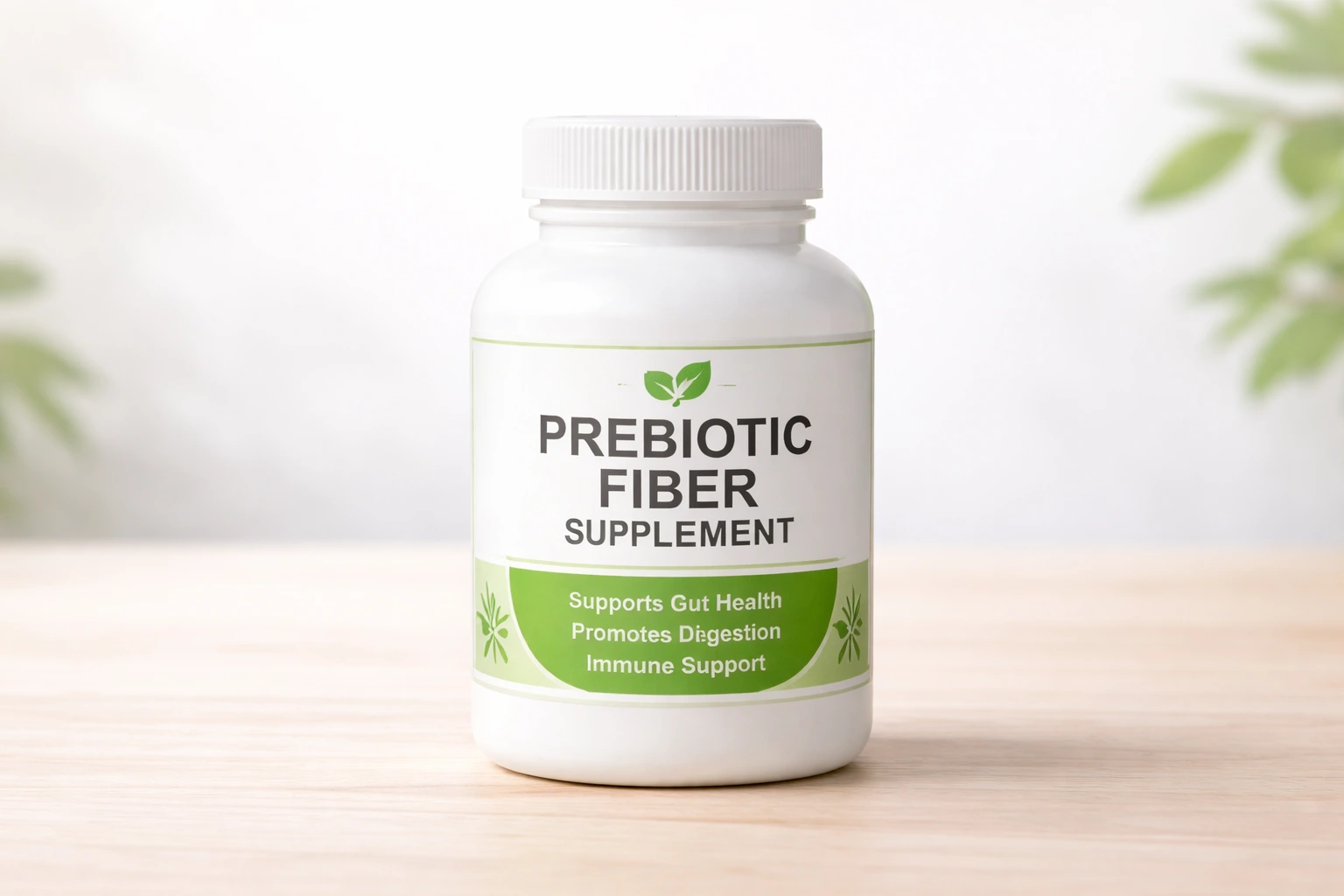
By nurturing these good bacteria, prebiotic fiber supplements help to balance the gut microbiome, which in turn promotes digestive health, immune function, and even mental health through the gut-brain axis. As the population becomes more aware of the importance of gut health, prebiotic supplements are emerging as an essential part of many people's daily wellness routines.
2. Key Benefits of Prebiotic Fiber Supplements
Prebiotic fiber supplements offer a variety of health benefits, primarily due to their role in gut health and the microbiome. However, they also have additional benefits that support different aspects of overall health and well-being.
Gut Health and Digestive Benefits
Prebiotic fibers help to enhance gut motility by regulating bowel movements and reducing the likelihood of constipation. They also foster a healthy balance of gut bacteria, which is critical for overall digestive health. In fact, prebiotic fibers help promote short-chain fatty acids (SCFAs) like butyrate, which are essential for gut lining health, inflammation control, and overall cellular repair.
Immune Function Support
A healthy gut microbiome plays a significant role in the immune system. The gut is the largest organ of the immune system, with approximately 70-80% of the immune cells located there. By promoting the growth of beneficial bacteria, prebiotic fibers enhance immune response and inflammation control, helping to protect the body against infections.
Weight Management and Appetite Regulation
Prebiotic fibers help to regulate appetite by improving feelings of fullness and promoting healthy fat metabolism. Certain prebiotic fibers, like FOS and inulin, have been shown to reduce caloric intake by enhancing satiety. This makes prebiotic fiber supplements valuable for individuals looking to manage their weight or reduce overeating.
Mental Health and Cognitive Function
There is growing evidence of the connection between the gut and the brain, known as the gut-brain axis. By improving gut health, prebiotic fiber supplements can have a positive effect on mood, reduce feelings of stress, and even support cognitive function. Beneficial gut bacteria produce neurotransmitters like serotonin and dopamine, which are essential for regulating mood and cognitive health.
3. Types of Prebiotic Fiber Supplements
Not all prebiotic fibers are the same. There are different types of prebiotics, each with unique properties and health benefits. Here are some of the most common types of prebiotic fibers found in supplements:
Inulin
Inulin is one of the most widely used prebiotic fibers. It is a fructan that is extracted from the chicory root, Jerusalem artichoke, and other plant-based sources. Inulin has been shown to promote the growth of beneficial bacteria, particularly Bifidobacteria. It is also known for its ability to support gut motility and bowel regularity.
Fructooligosaccharides (FOS)
FOS are short chains of fructose molecules found in a variety of plants, including bananas, onions, garlic, and asparagus. Like inulin, FOS promotes the growth of beneficial bacteria in the gut. It is well-tolerated and has a mild sweetness, which makes it useful in food formulations and beverages.
Galactooligosaccharides (GOS)
GOS is derived from lactose and is naturally found in dairy products and legumes. It promotes the growth of Lactobacillus and Bifidobacterium, two critical types of beneficial bacteria in the gut. GOS has also been shown to have a positive impact on immune health and gut inflammation.
Resistant Starch
Resistant starch is a prebiotic fiber that resists digestion in the small intestine. It is found in green bananas, potatoes, legumes, and whole grains. Resistant starch reaches the colon intact, where it acts as a food source for butyrate-producing bacteria. Butyrate is an essential short-chain fatty acid that supports gut health and reduces intestinal inflammation.
4. Sources of Prebiotic Fiber Supplements
Prebiotic fibers are found naturally in a variety of foods, and supplements typically offer concentrated doses of these fibers for individuals looking to increase their intake. Some common food sources of prebiotics include:
-
Chicory root (inulin)
-
Bananas (resistant starch)
-
Garlic and onions (inulin and FOS)
-
Asparagus (inulin)
-
Leeks (inulin)
-
Apples (pectin, FOS)
-
Barley (beta-glucan)
-
Oats (beta-glucan)
-
Beans and lentils (resistant starch)
Incorporating these prebiotic-rich foods into your diet can offer many health benefits. However, prebiotic fiber supplements provide a more concentrated and consistent source of these fibers, allowing for more precise dosing to meet individual health needs.
Recommended Dosage, Potential Side Effects, and How to Choose the Right Prebiotic Fiber Supplement
While prebiotic fiber supplements offer numerous health benefits, it’s important to know the right dosage and to be aware of potential side effects. Understanding how to select the right prebiotic supplement can maximize the positive effects while minimizing any unwanted reactions.
1. Recommended Dosage of Prebiotic Fiber Supplements
The optimal dosage of prebiotic fiber supplements depends on various factors such as your health goals, current diet, and digestive tolerance. However, general guidelines can help you determine the right starting point.
General Dosage Recommendations
-
For Digestive Health: Typically, 3–10 grams per day of prebiotic fiber is recommended for most individuals. If you’re just starting, it’s best to begin with a lower dose (around 3 grams per day) and gradually increase to avoid digestive discomfort like bloating or gas.
-
For Weight Management: Some studies suggest that higher doses (around 10 grams per day) may help reduce appetite and support weight loss efforts by improving satiety and enhancing gut health.
-
For Immune Support: Consistent daily use of 5–10 grams per day of prebiotic fiber can help strengthen the immune system by supporting a healthy microbiome.
-
For General Wellness: If you’re taking prebiotics to support overall gut health and improve microbiome diversity, a smaller daily dose (around 3–5 grams) is effective for maintaining balance.
Gradual Introduction
If you’re new to prebiotic fibers, it’s a good idea to start slow and gradually increase your intake over time. Starting with small doses helps your digestive system adapt to the fibers and reduces the risk of bloating or discomfort.
2. Potential Side Effects of Prebiotic Fiber Supplements
While prebiotic fiber supplements offer numerous health benefits, some individuals may experience mild side effects when they first start taking them. These side effects are generally related to the fermentation process in the gut as the beneficial bacteria feed on the prebiotic fibers.
Common Side Effects
-
Gas and Bloating: As prebiotic fibers are fermented by gut bacteria, they produce gases, which can lead to bloating and flatulence in some people, especially when taking higher doses.
-
Diarrhea or Loose Stools: High doses of prebiotics can sometimes cause loose stools or diarrhea, particularly for people who are sensitive to fiber. This can be alleviated by starting with a low dose and gradually increasing it.
-
Stomach Cramps or Discomfort: Some individuals may experience stomach cramps or discomfort as their gut microbiome adjusts to the increased fiber intake.
How to Minimize Side Effects
-
Start Slowly: Begin with a lower dose (around 3 grams per day) and gradually increase it as your body gets accustomed to the new fiber intake.
-
Hydrate Well: Drinking plenty of water alongside prebiotic fiber can help with digestion and minimize any discomfort.
-
Consult a Healthcare Professional: If you have a sensitive stomach or suffer from digestive conditions like Irritable Bowel Syndrome (IBS), it’s best to consult with a healthcare provider before introducing prebiotic fibers into your diet.
3. Choosing the Right Prebiotic Fiber Supplement
When choosing a prebiotic fiber supplement, not all products are created equal. It’s important to evaluate several factors to ensure you’re selecting the best one for your needs.
Key Factors to Consider When Choosing a Prebiotic Fiber Supplement
1) Type of Prebiotic Fiber
There are several different types of prebiotic fibers, and each has unique properties. For example, inulin is commonly used for its ability to support bifidobacteria growth, while resistant starch offers additional benefits for gut motility and weight management. Choose a supplement that uses a fiber type that aligns with your health goals.
2) Ingredient Sourcing and Quality
Look for supplements made from natural, non-GMO ingredients that have been sourced sustainably. Supplements that are certified organic or gluten-free may be important considerations for individuals with specific dietary preferences or restrictions.
3) Dosage and Serving Size
Review the dosage recommendations on the supplement label. Ideally, a supplement should provide an effective dose of 3–10 grams of prebiotic fiber per serving, with clear instructions for increasing or adjusting the dose.
4) Additives and Fillers
Be cautious of supplements that contain excessive additives, fillers, or artificial sweeteners. Look for a clean label that lists only the key ingredients needed for efficacy. Supplements with minimal additional ingredients are generally preferred.
5) Third-Party Testing and Certifications
To ensure the quality and safety of the supplement, choose brands that have their products tested by third-party labs for purity, potency, and contamination. Certifications like GMP (Good Manufacturing Practices), NSF Certified for Sport, or FDA compliance can give you confidence in the product’s quality.
4. Zoomsheal Health’s Prebiotic Fiber Supplement
Zoomsheal Health offers high-quality prebiotic fiber supplements that support digestive health, improve gut microbiome balance, and promote overall wellness. Our prebiotic fiber supplements are made with the finest natural ingredients, including organic inulin and resistant starch, ensuring that each product provides maximum health benefits without unnecessary fillers or artificial additives.
We use third-party testing to ensure that our products meet the highest standards of purity, potency, and safety. Whether you're looking to improve digestion, boost immune function, or support weight management, Zoomsheal Health’s prebiotic fiber supplements provide a reliable and effective solution.
Top Brands in Prebiotic Fiber Supplements
As the popularity of prebiotic fiber supplements continues to rise, there are several well-known brands on the market that offer high-quality products. However, it’s important to choose a brand that meets your specific health needs, offers transparent labeling, and follows good manufacturing practices. In this section, we’ll explore some of the top brands in the prebiotic supplement industry and provide guidelines on how to select the right product for you.
1. Top Brands of Prebiotic Fiber Supplements
Here are a few of the leading brands offering high-quality prebiotic fiber supplements:
1) Garden of Life - Dr. Formulated Organic Prebiotic Fiber
Garden of Life is a well-established brand in the health and wellness industry, known for its commitment to organic and clean-label products. Their Dr. Formulated Organic Prebiotic Fiber supplement is one of the best options available for boosting gut health.
Key Features:
-
Organic ingredients: Made with organic, non-GMO ingredients like acacia fiber and inulin.
-
Gut health support: Helps promote healthy digestion, supports regular bowel movements, and feeds beneficial bacteria.
-
No added sugars or artificial ingredients: A clean formula that contains only natural fibers.
Garden of Life’s prebiotic fiber supplement is ideal for those looking for a simple, organic, and effective product to improve their digestive health.
2) Renew Life - Organic Prebiotic Fiber
Renew Life is another trusted name in the digestive health space. Their Organic Prebiotic Fiber supplement offers a potent dose of fiber with no artificial fillers or preservatives.
Key Features:
-
Multiple fiber sources: Contains a combination of organic acacia fiber, inulin, and FOS to support a healthy gut microbiome.
-
Supports regularity: Aids in digestive regularity, reduces bloating, and improves overall gut health.
-
Non-GMO and organic: Made from certified organic and non-GMO ingredients.
Renew Life’s prebiotic fiber supplement is a great option for individuals looking for an effective, organic solution to improve their digestion and gut health.
3) Hyperbiotics - Organic Prebiotic Fiber
Hyperbiotics is known for its innovative approach to supplements and its focus on gut health. Their Organic Prebiotic Fiber supplement is formulated to feed beneficial bacteria while also promoting digestive health and regularity.
Key Features:
-
Prebiotic + probiotic blend: Combines prebiotic fibers with probiotics to create a balanced microbiome.
-
Organic acacia fiber: Uses a high-quality organic acacia fiber source, which is known for its gentle effects on the digestive system.
-
Easy to use: Comes in a convenient powder form that can be mixed into beverages or foods.
Hyperbiotics' prebiotic fiber is a great choice for those looking for a combination of prebiotics and probiotics, enhancing the overall health of the gut microbiome.
4) NOW Foods - Prebiotic Fiber
NOW Foods is a reputable brand that provides high-quality supplements at affordable prices. Their Prebiotic Fiber supplement is an excellent option for those looking for an effective prebiotic supplement to enhance gut health.
Key Features:
-
Affordable: Provides an affordable way to boost prebiotic fiber intake.
-
FOS and Inulin: Contains both fructooligosaccharides (FOS) and inulin to support the growth of beneficial gut bacteria.
-
Non-GMO and vegan: Free from artificial ingredients and suitable for vegetarians and vegans.
NOW Foods offers a straightforward and cost-effective prebiotic fiber supplement ideal for anyone looking to improve their digestive health.
2. How to Choose the Right Prebiotic Fiber Supplement
With so many options on the market, it can be challenging to choose the right prebiotic fiber supplement for your needs. Here are some factors to consider to help you make an informed decision:
1) Type of Prebiotic Fiber
Different prebiotic fibers have different health benefits. For example:
-
Inulin promotes gut regularity and supports bifidobacteria.
-
FOS is known for its ability to improve gut motility and increase bifidobacteria growth.
-
Resistant starch promotes butyrate production, which supports gut lining health and reduces inflammation.
When choosing a supplement, select one that contains the type of prebiotic fiber most aligned with your health goals.
2) Ingredients and Formulation
Check the supplement’s ingredient list to ensure it doesn’t contain unnecessary fillers, artificial additives, or sugar. High-quality prebiotic fiber supplements typically contain only a few key ingredients—look for options that use organic and non-GMO fibers for optimal health benefits.
3) Dosage and Serving Size
The recommended daily dosage of prebiotic fiber varies depending on the product and the type of fiber used. Most prebiotic fiber supplements recommend a daily dose of 3–10 grams. Make sure the product provides a sufficient dose of fiber to meet your needs. Additionally, ensure that the supplement’s serving size is easy to incorporate into your daily routine.
4) Brand Reputation and Quality Assurance
Look for brands that prioritize quality control and transparency. Ideally, choose products that are third-party tested to ensure purity, potency, and safety. Brands that follow Good Manufacturing Practices (GMP) and have certifications like NSF or USP offer greater reliability.
5) Customer Reviews
One of the best ways to gauge the effectiveness of a supplement is by reading customer reviews. Look for real testimonials that share personal experiences regarding digestive health, appetite control, and bloating relief. However, keep in mind that individual experiences may vary, so it’s important to evaluate feedback critically.
3. Zoomsheal Health’s Prebiotic Fiber Supplement
At Zoomsheal Health, we understand the importance of maintaining a healthy gut, and we’re proud to offer our own high-quality prebiotic fiber supplements. Our products are made with the highest-quality organic ingredients, including inulin, FOS, and resistant starch, which are carefully selected to support gut health, digestive regularity, and immune function.
We are committed to providing supplements that are safe, effective, and sustainable. Our prebiotic fiber supplements are designed to support individuals looking to improve gut microbiome balance, enhance digestion, and achieve overall well-being.
Conclusion: Incorporating Prebiotic Fiber Supplements into Your Health Routine
Prebiotic fiber supplements are an excellent way to support gut health, enhance digestive function, and maintain overall well-being. By feeding the beneficial bacteria in your gut, prebiotics help create a balanced microbiome, which is essential for maintaining immune function, improving digestion, and supporting mental health. As the research surrounding gut health continues to grow, prebiotics have become an indispensable part of modern wellness routines.
The wide range of benefits associated with prebiotic fiber supplements—such as supporting gut motility, improving appetite regulation, enhancing immune response, and even helping with weight management—make them an attractive option for those looking to improve their health from the inside out. Whether you're looking to relieve bloating, boost digestion, or strengthen your immune system, prebiotic fiber supplements can play a key role in achieving your health goals.
When selecting a prebiotic fiber supplement, it’s important to consider factors such as the type of prebiotic fiber, the ingredient quality, and the brand reputation. By choosing a supplement that aligns with your health goals and meets your standards for quality, you can maximize the potential benefits of prebiotics and support your body’s gut microbiome for long-term health.
Incorporating prebiotic fiber supplements into your daily routine is an easy and effective way to nurture your gut health. Remember to start slowly with a lower dose and gradually increase your intake to allow your digestive system to adjust. Consulting with a healthcare provider before beginning any new supplement is always a good idea, especially if you have existing health concerns or conditions.
At Zoomsheal Health, we are committed to providing high-quality prebiotic fiber supplements that support a healthy, thriving gut microbiome. By choosing the right prebiotic supplement, you can take control of your gut health and experience the benefits of improved digestion, enhanced immune function, and overall well-being.