
Is There a $3000 Fee to Sell Supplements on Amazon?
Many new sellers looking to enter the Amazon dietary supplement market often encounter a common misconception: “You need to pay a non-refundable fee of $3,000 to get approved to sell supplements.” This number is enough to scare away many small businesses, but is it really true? Let’s take a look at what it will cost to sell supplements on Amazon in 2026.
The answer is: no, Amazon does not charge a $3,000 fee for selling supplements. However, this doesn’t mean entering the market is free. The process involves navigating regulatory requirements and hidden costs, which are essential to ensuring your products meet Amazon's stringent policies. While the myth of the $3,000 fee is outdated, understanding the real costs
The Origin of the $3000 "Entry Fee"
To understand where the $3,000 rumor comes from, we need to look at Amazon’s past policies and how they’ve evolved over time.
1. The $3000 Fee: A Historical Requirement
Around 2016-2017, Amazon implemented a system called “ungating” to control the quality of products being sold in certain regulated categories, including dietary supplements. To sell these products, sellers had to pay a fee (often ranging from $1,500 to $3,000) in order to pass Amazon’s “gatekeeping” process. This fee was intended to filter out low-quality sellers who were unwilling to invest in meeting Amazon’s requirements for quality products.
The reason behind this policy was to ensure that only serious sellers were able to list dietary supplements on Amazon. At the time, there were many sellers entering the market without proper compliance documentation, which led to misleading claims and potentially dangerous products on the platform.
2. Current Policy: No Direct Fee
Amazon no longer charges this fee. Instead of using a direct financial barrier to entry, Amazon now focuses on compliance documentation as the main method of screening sellers. The company now requires sellers to provide proof of product quality and FDA-compliant labeling before allowing them to sell dietary supplements. While this eliminates the $3,000 “ungating” fee, it doesn’t mean that selling supplements is inexpensive.
This shift in Amazon’s approach to approval is part of their broader strategy to improve product safety and consumer trust in the supplements market.
Understanding the Real Costs of Selling Supplements on Amazon
While the myth of a $3,000 upfront fee is outdated, the actual costs of selling supplements on Amazon can still be significant. The entry barriers now are more focused on ensuring that your products comply with FDA regulations and Amazon’s policies, but these steps come with their own expenses. Let's break it down:
1. The Cost of Compliance Certifications
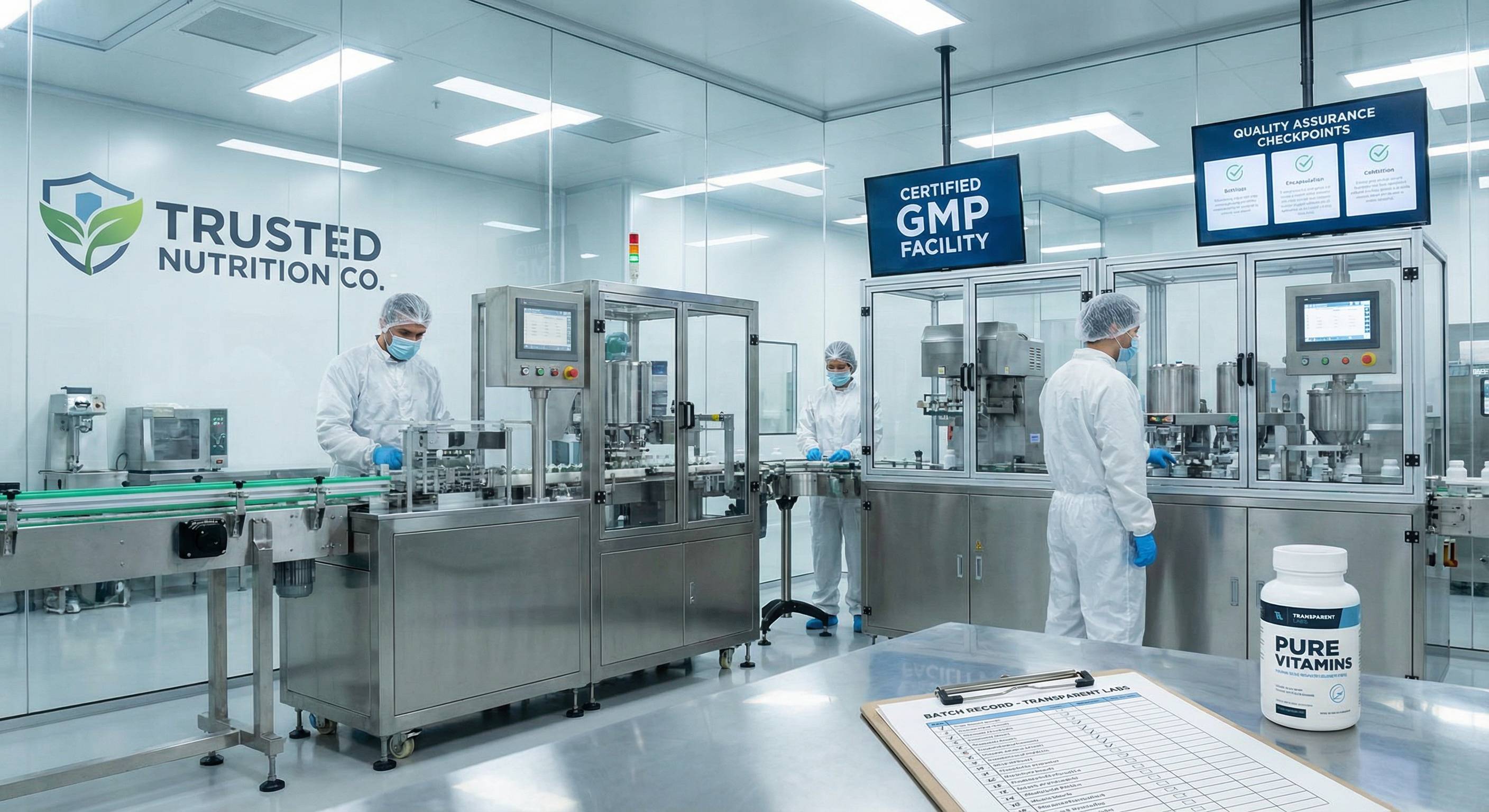
One of the largest costs involved in selling supplements on Amazon is the compliance documentation required by Amazon and regulatory agencies. This includes certificates like the Certificate of Analysis (COA) and Good Manufacturing Practices (GMP) certification. These documents ensure that your products meet safety and quality standards.
-
Certificate of Analysis (COA):
Amazon requires that each supplement be tested by a laboratory certified under ISO/IEC 17025 standards. The COA must confirm that the product contains the ingredients listed on the label and that it is free from contaminants like heavy metals, toxins, and microbes.
Estimated Cost: Testing fees for COA typically range between $500 and $2,000 per product, depending on the complexity of the supplement and the lab's fees. -
Good Manufacturing Practices (GMP) Certification:
To manufacture supplements for sale on Amazon, your production facility must have a GMP certification. This certification ensures that the production process adheres to the highest standards of safety and quality.
Estimated Cost: If your manufacturer doesn’t already have this certification, getting it can be expensive. It can cost thousands of dollars to obtain or verify GMP certification, especially if your supplier needs to be audited.
2. The Professional Seller Account (Monthly Subscription)
To list supplements on Amazon, you must have a Professional Seller Account. This account is required for access to restricted categories like dietary supplements.
-
Cost: $39.99 per month for a Professional Seller Account, in addition to other transaction fees.
3. Third-Party Services (Compliance Assistance)
Navigating Amazon’s strict requirements can be challenging, especially when it comes to ensuring your labels, invoices, and product descriptions meet their exacting standards. As a result, many sellers hire third-party services that assist with compliance issues such as label design, FDA regulation compliance, and Amazon’s listing requirements.
-
Cost: These services typically cost between $500 and $3,000 depending on the level of assistance you need. This can include label modifications, invoice corrections, and appeals if your product listing is rejected.
The Real $3000: What You’re Actually Paying For
While you won’t be asked to pay a direct $3,000 fee to Amazon, you might find that the combined costs of the compliance process, certifications, testing, and third-party services easily add up to $3,000 or more before you even list your first supplement product on the platform.
For example, a seller may need to invest in the following to get started:
-
Certification and Testing Fees: $1,000 to $2,000
-
Professional Seller Account: $39.99/month
-
Third-Party Compliance Assistance: $500 to $3,000
-
Total Estimated Costs for Compliance and Setup: $2,500 to $6,000
This range accounts for both basic and more complex certifications and services, which may vary based on the products you're selling.
The myth that Amazon charges a $3,000 “entry fee” to sell supplements is no longer true. However, entering the dietary supplement market on Amazon still involves significant costs. While you won’t be paying a flat fee to Amazon, the real expenses come from compliance certifications, lab testing, professional seller account fees, and third-party services.
The hidden costs of selling supplements on Amazon can add up quickly, so it's important for new sellers to be prepared for the initial investment. As long as you’re ready for the regulatory requirements and associated costs, you can successfully enter this lucrative market.
Navigating the Supplement Approval Process on Amazon
Now that we’ve established the actual costs involved in selling supplements on Amazon, let's move forward and discuss the step-by-step process for getting your supplements approved. Amazon’s strict requirements mean that preparation is key, and understanding the necessary steps can save you time, money, and hassle.
Step 1: Preparing Your Documentation for Ungating
As previously mentioned, to sell dietary supplements on Amazon, you need to undergo the ungating process. This is Amazon’s way of making sure that sellers comply with safety and regulatory standards. Here’s how to get started:
-
Invoices from Authorized Suppliers
The first thing Amazon requires is an invoice showing that the products you're selling are sourced from an authorized supplier or manufacturer. Your invoice must contain:-
The supplier’s name (matching your business name in Amazon’s Seller Central)
-
Product details (such as the product’s name, quantity, and price)
-
The date of the invoice (this should be recent, ideally within 30-60 days)
Important Note: Do not use Proforma Invoices (those from suppliers like Alibaba that are not official invoices). Only legitimate invoices that match the details of your business will be accepted. Invoices from a distributor or manufacturer with an established relationship with Amazon are preferable.
-
-
Real Product Photos
Amazon requires you to submit real, unaltered photos of the product. The images should show:-
The product in hand (not just rendered or photoshopped images)
-
The product packaging, including all labels and warnings
-
The Supplement Facts panel (as required by the FDA)
-
Clear, high-resolution images showing all relevant product information, including any product claims (e.g., “Gluten-free,” “Non-GMO,” etc.)
Why Real Photos Matter: This requirement is designed to prevent misleading images and ensure that the actual product matches what is being advertised on Amazon. By providing clear and accurate images, you make it easier for Amazon to trust your product listing.
-
-
Certificate of Analysis (COA)
To comply with Amazon’s strict guidelines, you’ll need to submit a Certificate of Analysis (COA) from a certified laboratory. This is one of the most important compliance documents, as it proves the purity and quality of your supplement. The COA must:-
Be up-to-date (typically no older than 6 months)
-
List all the ingredients in your product and confirm that they match what’s on the label
-
Show that your product has been tested for contaminants (heavy metals, microbes, etc.)
Cost of COA: As mentioned earlier, the testing and certification fees for a COA can range between $500 and $2,000 depending on the complexity of the supplement.
-
Step 2: Labeling Requirements and FDA Compliance
In addition to the COA, Amazon has strict labeling requirements that you must adhere to. Labels must include several key elements to meet FDA standards. This is not just about meeting Amazon’s requirements; it’s about ensuring that your product complies with U.S. health and safety laws.
-
Supplement Facts Panel
The Supplement Facts panel must include a clear list of all ingredients, their quantities, and the serving size. This is required by the FDA and must be formatted correctly to avoid rejection by Amazon. -
Ingredient List
The ingredient list must be accurate and detailed. Any active and inactive ingredients must be listed clearly. Ingredients must also be free of any banned substances and comply with FDA regulations. -
Manufacturer Information
Your label must include the name and address of the manufacturer. This is to ensure traceability in case any issues arise with the product, such as contamination or mislabeling. -
Warnings and Claims
If your supplement contains any potential allergens, such as nuts, dairy, or soy, you must clearly label them. Additionally, any health claims (e.g., “promotes heart health”) must be backed by evidence and must comply with FDA regulations. False or misleading claims can result in Amazon suspending your account or product listings.Tip for Sellers: Make sure that your labels are designed by a professional who understands FDA requirements. Labeling errors are one of the most common reasons supplements are rejected on Amazon.
Step 3: Submitting the Required Documents
Once you’ve gathered all the necessary documentation—invoices, product photos, COA, and compliant labels—you’ll need to submit them to Amazon for review.
-
Log in to Seller Central
-
Navigate to Seller Central and access the “Product Listing” section.
-
Select the dietary supplement category for which you are applying.
-
Upload your documents and wait for Amazon’s approval.
-
-
Amazon’s Review Process
-
Timeframe: The review process typically takes anywhere from 5 to 14 business days.
-
If everything is in order, Amazon will approve your listing and allow you to begin selling. If there are any issues (such as missing documents or incorrect labeling), you will be notified and required to make adjustments.
Important Tip: Be proactive in submitting accurate documents. If your submission is rejected, it can delay the approval process, and you may need to reapply with updated information.
-
Step 4: Getting Your Listings Live
Once you’ve successfully gone through Amazon’s ungating process and received approval, you can create your product listings and start selling. However, there are still a few more considerations to ensure your product remains compliant and visible to potential customers.
-
Optimize Product Listings: To attract customers, make sure your product listings are SEO-optimized. Include relevant keywords such as “natural supplements,” “organic vitamins,” or “Omega-3 capsules” in your product title and description to increase discoverability.
-
Follow-up with Regular Compliance Checks: Even after your product is listed, regularly review your labels and certifications to ensure ongoing compliance with Amazon’s policies and FDA standards. Non-compliant products can be flagged and removed at any time.
Step 5: Managing Costs and Reducing Hidden Fees
While the upfront costs of getting ungated on Amazon can be significant, there are ways to manage and reduce some of the expenses:
-
Shop for Third-Party Services Carefully: If you don’t have the expertise to handle all the compliance and labeling requirements yourself, consider working with a third-party service. Be sure to shop around for reputable services and get quotes in advance to avoid overpaying.
-
Negotiate Lab Testing Fees: If you’re launching multiple products, some laboratories offer bulk testing discounts. If possible, negotiate with the lab to reduce costs by testing multiple SKUs at once.
-
Build Relationships with Manufacturers: Work closely with your manufacturer to ensure they understand Amazon’s requirements and are capable of providing the proper documentation upfront. This will help prevent delays and additional costs from third-party services.
The Real Cost and Process of Selling Supplements on Amazon
In conclusion, there is no $3,000 fee for selling supplements on Amazon, but the process is still far from cheap. The real costs come from the compliance process, which includes obtaining certifications, testing, and ensuring that your product listings meet Amazon’s strict regulations.
Succeeding in the supplement market on Amazon requires careful preparation and investment in both time and money. However, with the right approach, it’s possible to navigate the complex requirements and launch a successful supplement business on one of the world’s largest online marketplaces.
Part 3: Long-Term Success in Selling Supplements on Amazon
Having successfully passed the ungating process and set up your product listings, you now face the task of sustaining long-term success. Selling dietary supplements on Amazon is not just about getting your product listed—it's about maintaining compliance, building customer trust, and continuously optimizing your listings for visibility and conversion.
This section will focus on key strategies for advertising, customer feedback, and continuous compliance to ensure your supplement business thrives in the competitive Amazon marketplace.
1. Optimizing Your Listings for Maximum Visibility
Once your product is listed, the next critical step is to optimize your product listings. The goal is to ensure that your supplement appears in relevant searches and attracts potential buyers. To do this, you need to focus on:
a) Keywords Optimization
Your product title, description, and backend search terms need to include the right keywords. When potential customers search for supplements, they typically use terms like “organic,” “natural,” “immune support,” or “weight loss supplement.”
-
Product Title: The product title is one of the most crucial elements for SEO. It should be concise but descriptive, containing important keywords and product specifics (e.g., “Organic Omega-3 Fish Oil Supplement | 120 Softgels | Supports Heart Health”).
-
Bullet Points & Product Description: These sections should provide clear, concise, and keyword-optimized information about the benefits of your supplement. Include Supplement Facts, ingredients, certifications (e.g., GMP, Non-GMO, Gluten-Free), and any relevant health benefits.
-
Backend Search Terms: These are the hidden keywords Amazon uses to match your product to relevant search queries. Do not repeat keywords from your product title—use this space to include additional relevant search terms like “vegan,” “plant-based,” or “gluten-free supplements.”
b) High-Quality Images and Videos
Visual appeal is essential for attracting customers. Besides real-world photos (as mentioned in the ungating process), you should also include high-quality product images showing different angles of the packaging and close-ups of key features like the label or the capsule/tablet itself.
-
Lifestyle Images: Showing your product in use—such as a person taking the supplement—can improve engagement.
-
Videos: Product videos can boost conversions by providing additional context on how to use the product and explaining its benefits. Videos are becoming a vital part of high-converting listings on Amazon.
c) A+ Content (Enhanced Brand Content)
If you are a Brand Registered seller, you can access A+ Content (formerly Enhanced Brand Content), which allows you to add rich media content such as additional images, comparison charts, and detailed product descriptions. This feature can significantly improve conversion rates by showcasing your brand and supplement in a more attractive and informative way.
2. Advertising Your Supplements on Amazon
Once your listings are optimized, it’s time to focus on driving traffic to them. Amazon offers a range of advertising tools that can help you increase visibility and sales:
a) Sponsored Products Ads
Sponsored Products are Amazon’s pay-per-click (PPC) ads that appear within search results or on product detail pages. These ads are highly effective for driving traffic to your listings and increasing sales.
-
Targeting Keywords: You can target specific keywords (e.g., “fish oil,” “weight loss supplements,” etc.) to show your ads when shoppers search for similar products.
-
Automatic vs. Manual Targeting: In automatic targeting, Amazon determines the best keywords for your product. In manual targeting, you choose the keywords. For more control over your ad spend and targeting, manual targeting is recommended.
b) Sponsored Brands Ads
If you have multiple products in the supplement category, Sponsored Brands ads can be effective. These ads appear at the top of search results and allow you to showcase your brand logo and multiple products in one ad.
c) Sponsored Display Ads
These are retargeting ads that display on product detail pages, customer review pages, or even on external websites. Sponsored Display ads can help you reach customers who have shown interest in similar products.
d) Amazon DSP (Demand-Side Platform)
If you have a larger budget, Amazon DSP allows you to reach customers both on and off Amazon through display ads, video ads, and other formats. This tool is ideal for scaling your advertising efforts and reaching new customers.
3. Managing Customer Feedback and Building Trust
Customer trust is one of the most important factors for success on Amazon, especially in the supplements category, where consumers are often concerned about the quality, safety, and effectiveness of the products they buy. Positive reviews and ratings can make a significant difference in whether or not your product is purchased.
a) Encourage Positive Reviews
Amazon’s customer review system plays a pivotal role in building trust and influencing purchasing decisions. A product with multiple positive reviews is more likely to convert buyers than a product with no reviews or negative feedback.
-
Follow-up Emails: After a customer receives your product, consider sending them a polite email thanking them for their purchase and asking them to leave feedback. Ensure that this email complies with Amazon’s Communication Guidelines and doesn’t offer incentives in exchange for reviews (which is against Amazon’s policy).
-
Product Inserts: Including a simple thank-you note or reminder to leave a review with your product packaging can help increase the number of reviews.
b) Responding to Negative Feedback
If you receive negative reviews, address them calmly and professionally. Apologize for any issues, offer solutions, and ask the customer to reach out directly if they need assistance. This shows future customers that you care about your product and customer satisfaction.
c) Product Quality and Consistency
Maintaining high product quality is essential for getting consistent positive feedback. Ensure that your product remains in compliance with all applicable regulations and that the quality doesn’t vary from batch to batch. Regularly check customer feedback to identify areas for improvement.
d) Brand Building and Loyalty
As a supplement brand, focusing on long-term customer loyalty is key. Offering excellent customer service, creating educational content about health, and building your brand's presence outside of Amazon (e.g., through social media, blogs, and partnerships) will help create a loyal customer base that trusts your products and will return for future purchases.
4. Maintaining Compliance and Staying Updated
To maintain long-term success on Amazon, it’s crucial to stay compliant with both Amazon’s ever-changing policies and regulatory guidelines for dietary supplements.
a) Regularly Check Labeling and Documentation
As laws and regulations evolve, it’s important to keep your product documentation up-to-date. Ensure that your COA, GMP certification, and labels are current and in compliance with Amazon's requirements and FDA guidelines.
b) Monitor Amazon’s Policies
Amazon frequently updates its policies, especially in regulated categories like dietary supplements. Be sure to check Amazon’s Seller Central and Policy Updates regularly to stay informed about any changes that might impact your ability to sell.
c) Stay Ahead of Compliance Issues
Sometimes, it’s necessary to get ahead of potential compliance issues by working closely with your manufacturers and third-party compliance experts. Proactive compliance can help you avoid potential account suspensions or listings being removed due to violations.
Building a Sustainable Supplement Business on Amazon
Selling supplements on Amazon offers a lucrative opportunity, but it comes with its challenges. While there is no longer a $3,000 entry fee to sell supplements, there are still significant costs and a complex approval process. To ensure long-term success, focus on optimizing your product listings, advertising effectively, and building a strong customer base.
By staying compliant with Amazon’s policies, focusing on customer satisfaction, and maintaining the highest standards of product quality, you can build a sustainable and profitable supplement business on one of the world’s largest e-commerce platforms.
If you need a professional supplement manufacturer partner, you can choose to consult us.