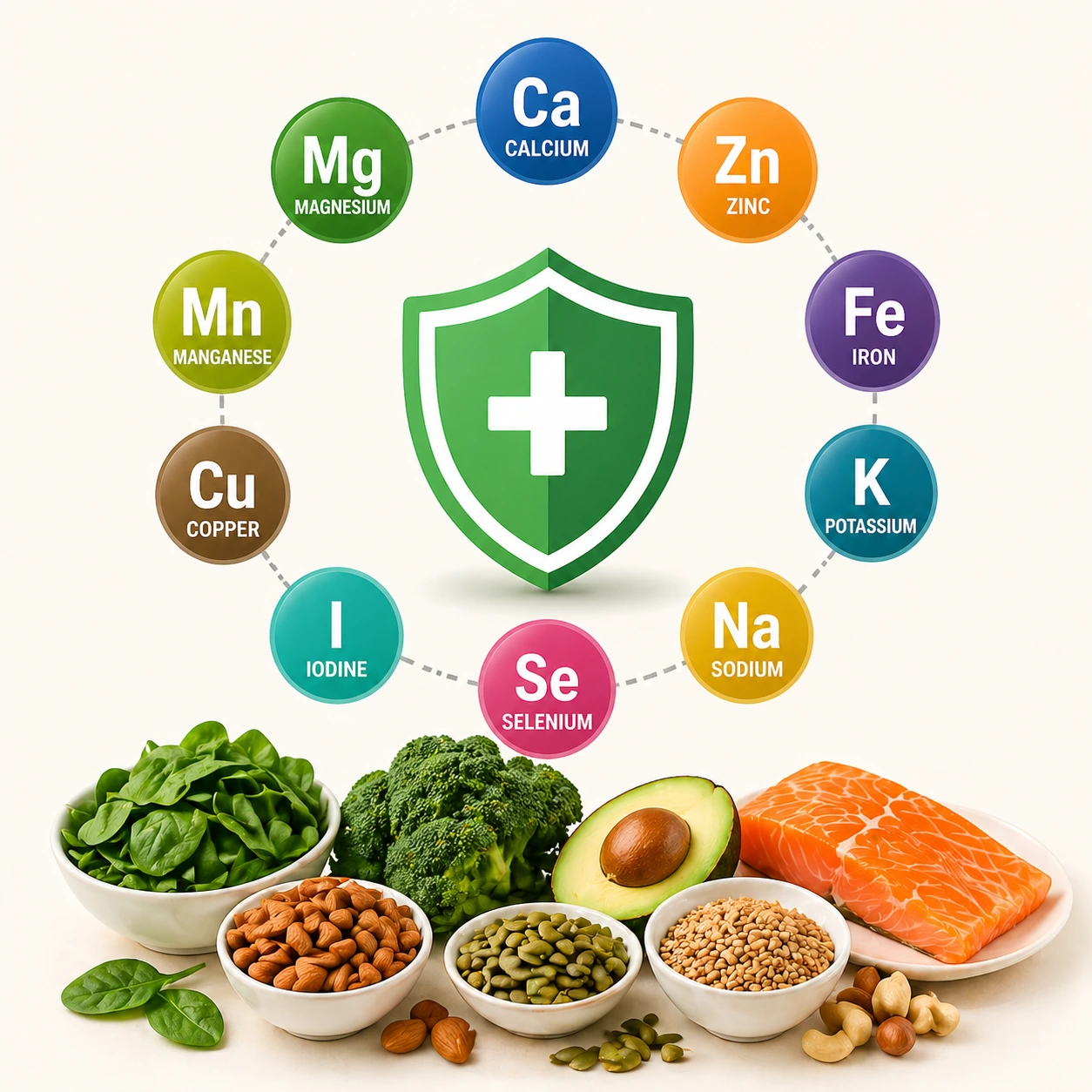

Mineral supplements are essential for maintaining a variety of physiological functions, from energy metabolism and muscle function to immune health and bone strength. However, not all mineral supplements are created equal. A key distinction often emphasized on product labels is that minerals are Chelated state still non-chelated state . Understanding this distinction is critical for consumers, healthcare professionals, and supplement manufacturers alike, as it can significantly impact absorption, efficacy, and digestive comfort.
What are chelated minerals?
Chelated minerals are minerals that are chemically bound to another molecule, usually an amino acid, peptide, or organic acid. This process, called chelation, forms a stable complex in which the mineral is "clawed" by binding molecules, thereby protecting it from interactions within the digestive tract that could inhibit absorption. The word "chelation" comes from the Greek "chele" , meaning "claw", which vividly describes the binding effect of chelating agents on minerals.

Common examples of chelated minerals include:
- Magnesium glycinate ——A compound combining magnesium and glycine
- Ferrous glycinate ——Iron combined with glycine
- zinc picolinate ——Zinc combined with picolinic acid
The chelation process is designed to mimic the way minerals are found naturally in foods, i.e. they are typically bound to proteins or other organic molecules. This combination helps increase bioavailability, which means more minerals can enter the bloodstream and be absorbed and used by the body.
What are non-chelated minerals?
Non-chelated minerals, sometimes called inorganic minerals , usually in the form of mineral salts such as oxides, sulfates, or carbonates. For example:
- magnesium oxide
- Ferrous sulfate (iron)
- zinc oxide
These minerals lack chelating molecules to protect them from chelation during digestion. Therefore, they are more likely to interact with compounds in the intestine that inhibit absorption, such as phytates in grains or oxalates in leafy green vegetables. Unchelated minerals may also cause gastrointestinal discomfort, including nausea, cramping, or constipation, especially when taken in high doses.
While non-chelated minerals can still provide nutritional benefits, they are generally less bioavailable than the chelated forms, meaning the body may only be able to absorb a smaller proportion of the minerals ingested.
How chelated and non-chelated minerals are absorbed
The main difference between chelated minerals and non-chelated minerals is their Absorption pathway .
Chelated minerals:
- Chelating agents protect minerals from inhibitors in the digestive tract.
- Once in the small intestine, this binding is gradually released, allowing for efficient absorption.
- Amino acids or organic molecules bound to minerals may further facilitate their transport across the intestinal lining.
Non-chelated minerals:
- May react with dietary inhibitors to form insoluble compounds that cannot be absorbed.
- Absorption efficiency can vary significantly depending on stomach acid levels and diet composition.
- Higher doses are often required to achieve the same bioavailability as chelated minerals, which may increase the risk of gastrointestinal side effects.
Clinical studies support these observations. For example, Compared with magnesium oxide, Magnesium glycinate is better absorbed and has fewer digestive side effects; while Ferrous glycinate More effective than ferrous sulfate in improving iron status with lower incidence of constipation.
Common minerals found in both forms
Many essential minerals usually exist in both chelated and non-chelated forms. Understanding their effects and differences can help consumers choose the most appropriate supplement:
1. Magnesium
- Helps with muscle relaxation, nerve function, energy metabolism and bone health.
- Chelates: Magnesium glycinate, magnesium malate, magnesium citrate.
- Non-chelated magnesium: magnesium oxide, magnesium sulfate.
2. Iron
- Essential for hemoglobin production, oxygen transport and energy metabolism.
- Chelates: ferrous glycinate, ferrous glycinate.
- Non-chelated state: ferrous sulfate, ferrous fumarate.
3. Zinc
- Supports immune function, enzyme activity and skin health.
- Chelates: zinc picolinate, zinc glycinate.
- Non-chelated zinc: zinc oxide, zinc sulfate.
4. Calcium
- Essential for bone and tooth formation, muscle contraction, and cardiovascular health.
- Chelates: calcium citrate, calcium amino acid chelate.
- Non-chelated calcium: calcium carbonate, calcium phosphate.
5. Copper
- Involved in connective tissue formation, iron metabolism and antioxidant defense.
- Chelates: copper glycinate, copper gluconate.
- Unchelated state: copper sulfate.
6. Manganese
- Supports bone development, carbohydrate and cholesterol metabolism, and enzymatic reactions.
- Chelates: Manganese glycinate, manganese picolinate.
- Unchelated form: manganese sulfate.
Advantages of Chelated Minerals Over Non-Chelated Minerals
The benefits of chelated minerals go beyond greater absorption:
- Improved bioavailability - A greater proportion of minerals enter the blood.
- Reduce gastrointestinal side effects --Not likely to cause nausea, cramping, or constipation.
- continuous absorption ——Especially beneficial for those with low stomach acid, sensitive digestion or dietary inhibition.
- synergy --Chelated minerals may interact more efficiently with enzymes and cofactors, thereby supporting overall metabolic processes.
Because of these benefits, chelated minerals are often the supplement of choice for sensitive people, athletes, seniors, or anyone looking to optimize nutrient utilization.
How to choose between chelated and non-chelated minerals
Choosing the right mineral supplement requires evaluating several key factors in addition to reading the label. The choice between chelated and non-chelated mineral supplements depends on individual health needs, dietary habits, absorption efficiency, and tolerance.
1. Consider your absorption needs
Bioavailability is the primary consideration when choosing a dietary supplement. If you have digestive sensitivities, low stomach acid, or dietary absorption inhibitors such as phytates and oxalates, Chelated minerals may be more suitable because they are less likely to bind to inhibitors and are absorbed more efficiently. In contrast, if your diet is already rich in highly bioavailable minerals and you have no digestive issues, then non-chelated minerals That might be enough.
2. Check mineral form and chelating agents
Different chelates and non-chelated salts vary in their absorption rates and tolerance. For example:
- Magnesium glycinate Easily absorbed and gentle on the stomach.
- Compared with ferrous sulfate, Ferrous glycinate may relieve gastrointestinal discomfort.
- zinc picolinate The absorption rate is higher than zinc oxide.
Be sure to choose a supplement that lists the types of minerals and chelates, as well as the amount of elemental minerals contained in each serving. This transparent information allows for more accurate dosing control and facilitates comparison of different products.
3. Evaluate delivery formats
Supplements come in many forms, each with their own advantages and disadvantages:
- Capsules or tablets: Convenient, portable and easy to integrate into daily life.
- powder: The dosage is flexible and can be mixed into drinks or smoothies for larger doses.
- Gummies: It tastes good and is easier to take for people who don't like to take pills, but the mineral content per serving may be lower.
Choosing a modality that fits your lifestyle can improve consistency and long-term compliance.
4. Consider overall diet and lifestyle
Chelation supplements are a supplement to a balanced diet, not a replacement. Make sure your diet includes foods rich in minerals and cofactors, such as green leafy vegetables, legumes, nuts, seeds, dairy products and lean meats. Adequate hydration, regular exercise, and overall lifestyle habits also affect how efficiently your body uses minerals.
Usage tips and best practices
To maximize the benefits of mineral supplements:
- Taking time: Unless otherwise directed, take minerals with food as this may improve absorption and reduce stomach upset.
- Avoid taking too many minerals at the same time: High doses of calcium can interfere with iron absorption; magnesium and zinc may compete with each other if taken in large amounts at the same time.
- Please follow dosage guidelines: Even with chelating agents, overdose can cause imbalances or adverse reactions.
- Consult a health care professional: This is especially important for pregnant or breastfeeding women, people taking medications, or people with chronic medical conditions.
Following these guidelines will ensure safe and effective nutritional supplementation while minimizing potential side effects.
Signs You May Need Chelated Minerals
While many people take mineral supplements to prevent disease, certain signals may indicate a greater need for chelated minerals:
- Chronic fatigue or low energy - May be related to iron or magnesium deficiency.
- muscle spasms or twitching - May indicate insufficient magnesium intake.
- Slow recovery from illness or frequent infections - May be related to low zinc content.
- Weak bones or joint discomfort --Calcium or magnesium supplementation may be needed.
- Digestive sensitivity to traditional minerals --Chelated minerals often reduce gastrointestinal problems.
Monitoring these indicators can guide supplement selection and help address nutritional deficiencies more effectively.
Frequently Asked Questions (FAQ)
Question 1: What is the main difference between chelated minerals and non-chelated minerals?
A: Chelated minerals are combined with amino acids or organic molecules to enhance absorption and reduce gastrointestinal side effects, while unchelated minerals are inorganic salts that may have lower bioavailability and a higher risk of digestive discomfort.
Question 2: Are chelated minerals always better?
A: While chelated minerals are generally better absorbed and tolerated, non-chelated minerals may also be sufficient for people who eat a nutrient-dense diet and don't have digestive issues. Which mineral you choose depends on individual needs and absorption efficiency.
Question 3: Can children or pregnant women take chelated minerals?
A: Many chelated mineral supplements are safe for children or pregnant women, but dosage and specific mineral forms should be directed by a health care professional to avoid toxicity or imbalance.
Question 4: How long does it take for mineral supplements to take effect?
A: Absorption rates vary based on mineral type and individual needs. Some effects, such as increased energy or reduced muscle cramps, may be visible within weeks, while long-term benefits to bone density or iron stores may take months to appear.
Q5: Are chelated minerals more expensive?
A: Chelated minerals are generally more expensive due to their advanced production processes, but their higher bioavailability and fewer gastrointestinal side effects are usually enough to justify their price.
Incorporate chelated minerals into a balanced health routine
Chelated minerals work best when paired with a healthy diet and lifestyle. Suggestions include:
- A balanced diet: Eat more fruits, vegetables, whole grains, legumes, nuts and seeds.
- Hydration: Adequate water intake aids mineral transport and metabolic function.
- sports: Regular physical activity benefits bone health, blood circulation, and overall metabolism.
- Supplement monitoring: Keep track of intake, especially when using multiple supplements, to avoid exceeding tolerable limits.
in conclusion
Understanding the difference between chelated and non-chelated minerals is critical to optimizing supplement use. Chelated minerals, e.g. Magnesium glycinate, ferrous glycinate, zinc picolinate, calcium citrate, copper glycinate and manganese picolinate , with better absorption, milder gastrointestinal reactions and higher nutrient utilization.
For people with sensitive digestion, higher mineral needs, or inadequate dietary intake, chelated mineral supplements are a reliable option to ensure effective absorption of essential minerals. Along with a nutrient-rich diet and healthy lifestyle habits, chelated minerals play a vital role in maintaining overall health, energy metabolism, immune function, and bone and muscle health.