
1. Introduction: Why China Leads Global Supplement Manufacturing
Walk into any pharmacy in the United States, Europe, or the Middle East and you will find shelf after shelf of vitamins, gummies, softgels, and protein powders. What most shoppers never see is where those products were actually made. A large and growing share of the world’s dietary supplements are manufactured in China — not just for Chinese brands, but for American, European, and Middle Eastern brands operating under private label and OEM agreements.
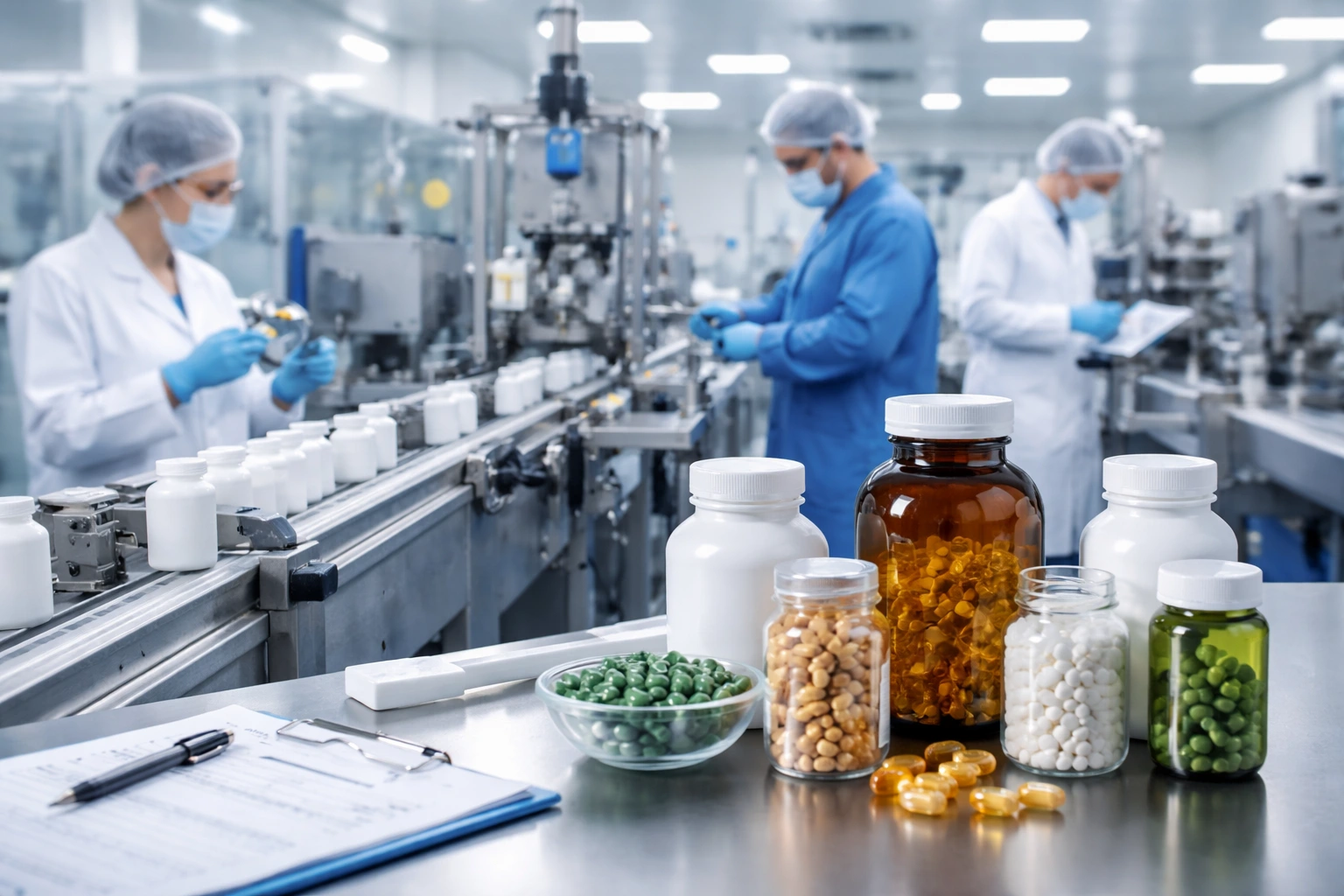
China’s rise as a supplement manufacturing hub is not accidental. The country controls a significant portion of the global supply chain for raw materials, from vitamin C and magnesium to botanical extracts like ginseng and ashwagandha. It has built a dense ecosystem of contract manufacturers equipped with modern cGMP production lines, and it offers cost structures that make large-scale production dramatically more affordable than in Western factories. According to industry estimates, China accounts for roughly one-third of global supplement raw material production and is the world’s largest exporter of many vitamin and mineral ingredients.
For brand owners, the practical question is no longer “should I manufacture in China?” but “which formats and ingredients can Chinese manufacturers produce well, and how do I choose the right partner?” This guide answers both questions comprehensively. We cover every major supplement type — from tablets and capsules to gummies, powders, softgels, and liquids — explain the ingredient categories behind them, walk through quality and compliance standards, and give you a practical framework for selecting a manufacturer.
2. Supplement Types at a Glance: The Complete Landscape
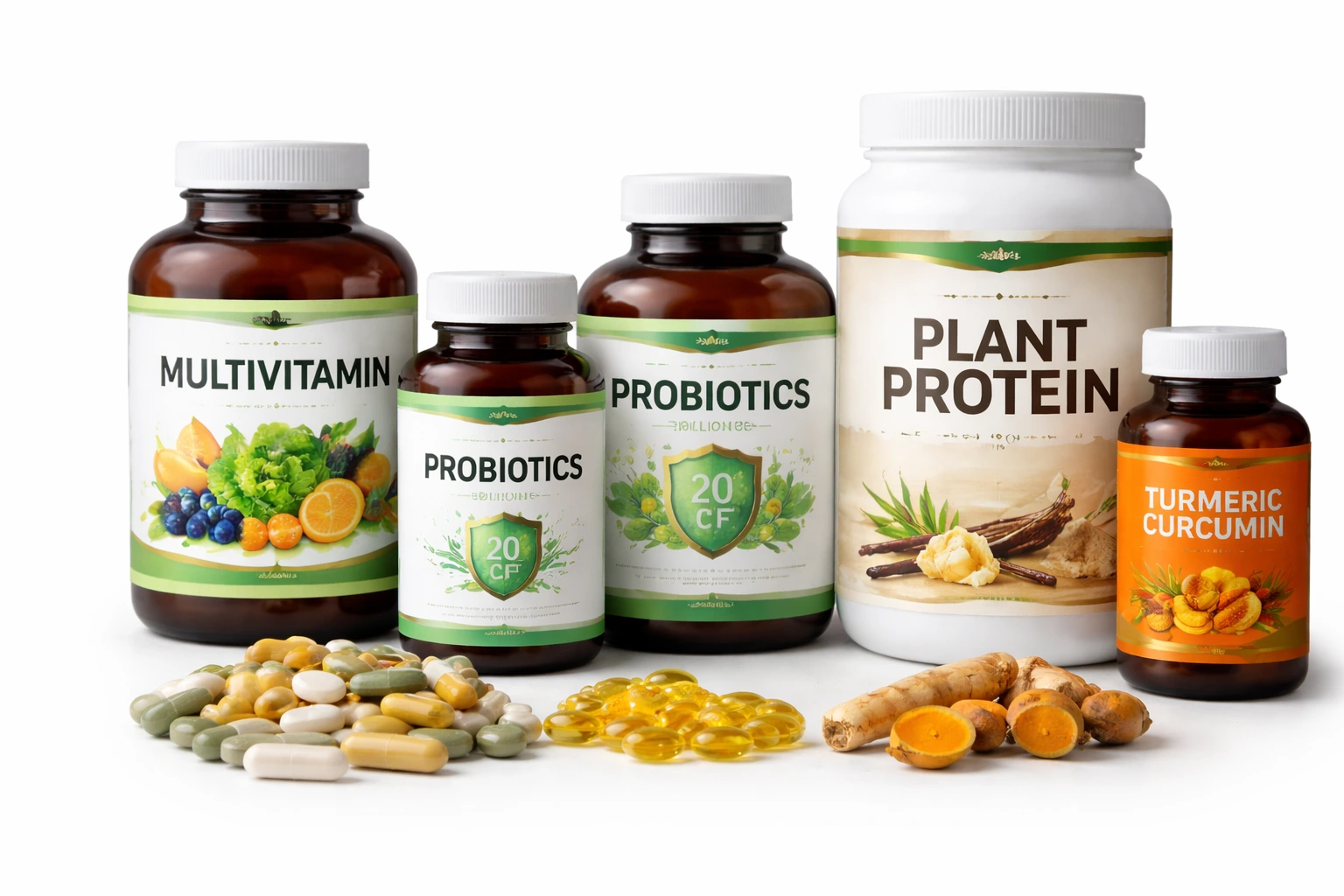
Dietary supplements can be classified in three useful ways: by dosage form (how the product is delivered), by ingredient category (what is inside), and by health goal (why consumers take it). Chinese manufacturers today produce virtually every combination of these three dimensions. The table below summarizes the full landscape before we explore each type in depth.
| Classification | Types | Common Examples |
|---|---|---|
| Dosage forms | Tablets, capsules, softgels, gummies, powders, liquids & drops, sprays, effervescent | Vitamin C tablets, omega-3 softgels, collagen gummies, whey powder, melatonin drops |
| Ingredient categories | Vitamins, minerals, botanicals, probiotics, proteins & amino acids, fatty acids, enzymes, adaptogens, nootropics | Multivitamins, chelated magnesium, ginseng extract, probiotics, creatine, fish oil, CoQ10, ashwagandha, NMN |
| Health goals | Immunity, sleep, gut health, joint & bone, beauty, sports, women’s health, men’s health, weight management, cognition | Elderberry immunity gummies, magnesium sleep powder, joint collagen, pre-workout powders |
In the sections that follow, we examine each dosage form in detail, then map ingredient categories and functional claims, and finally explain how Chinese manufacturers deliver quality at scale.
3. Supplement Types by Dosage Form
The dosage form determines the consumer experience, the cost of production, the stability of the active ingredients, and the regulatory classification of the product. Chinese factories typically offer all of the following formats, often under one roof.
3.1 Tablets
Tablets remain one of the most common supplement formats worldwide. They are made by compressing powdered ingredients with binders, fillers, and disintegrants into a solid dose. Chinese manufacturers produce several tablet subtypes:
- Compressed tablets — standard press-coated tablets used for vitamins, minerals, and herbal extracts.
- Film-coated tablets — coated to mask taste, protect actives from moisture, and make tablets easier to swallow.
- Enteric-coated tablets — designed to survive stomach acid and release ingredients in the intestine, common for enzymes and certain probiotics.
- Effervescent tablets — dissolved in water to create a drinkable supplement; popular for vitamin C, magnesium, and electrolyte formulas.
- Chewable tablets — flavored and chewed, frequently used for children’s vitamins and antacids.
Tablets offer the lowest cost per dose of any format and excellent stability for most vitamins and minerals. The main drawbacks are slower absorption relative to liquids and difficulty masking unpleasant tastes, which is why many brands prefer gummies or capsules for premium positioning.
3.2 Hard Capsules
Hard-shell capsules — typically made of gelatin or vegetarian HPMC (hydroxypropyl methylcellulose) — are filled with powder, granules, or mini-tablets. They are the default format for herbal extracts, probiotics, enzymes, and proprietary blends.
Chinese manufacturers offer two-piece hard capsules in a wide range of sizes (00, 0, 1, 2, 3) and colors, with options for:
- Vegetarian capsules (HPMC or pullulan) for vegan and halal/kosher product lines.
- Delayed-release and enteric capsules for ingredients that should bypass stomach acid.
- DRcaps and acid-resistant shells for probiotics requiring high survival rates.
- Custom imprinting with brand logos for anti-counterfeiting and shelf appeal.
Capsules are perceived by consumers as more “premium” than tablets and allow flexible formulation, but production costs are higher, and the fill weight is limited by capsule size.
3.3 Softgels
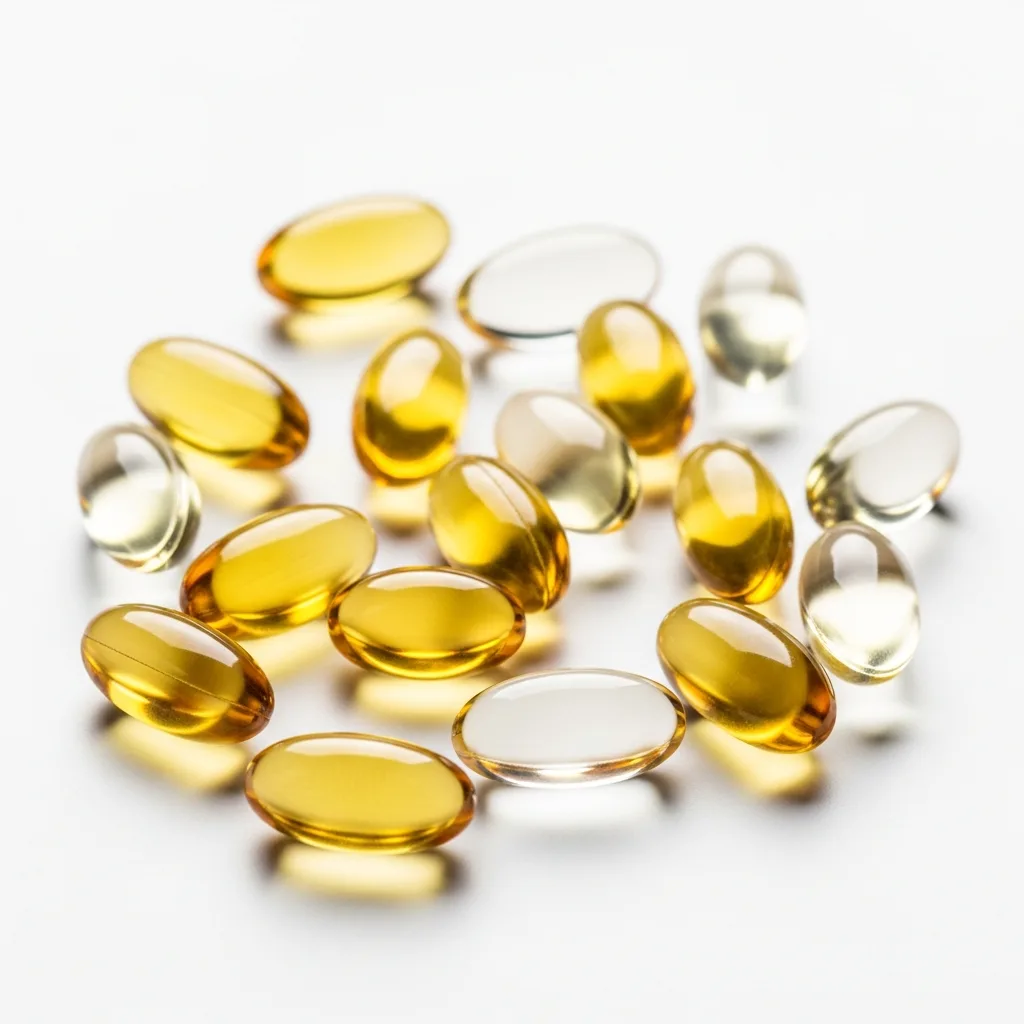
Softgels are one-piece, hermetically sealed gelatin shells filled with liquids, oils, or semi-solids. They are the format of choice for oil-based ingredients including fish oil, algal DHA, vitamin D3, vitamin E, CoQ10, and evening primrose oil.
China is one of the world’s largest producers of softgel supplements, with rotary-die encapsulation lines capable of producing millions of softgels per day. Capabilities include:
- Gelatin and fish-gelatin shells as well as non-gelatin options for vegetarian lines.
- Custom colors, shapes, and sizes (round, oval, oblong, tube).
- Tamper-evident and enteric softgels for targeted release.
- High-viscosity oil filling for thick formulations like fish oil concentrates and CBD-style oil blends.
Softgels offer excellent bioavailability for fat-soluble nutrients and protect ingredients from oxidation, but they require sophisticated encapsulation equipment and careful quality control, which is a core competency of established Chinese softgel manufacturers.
3.4 Gummies
Gummy supplements are the fastest-growing format in the global supplement market. They combine vitamins, minerals, botanicals, or functional ingredients with a gelatin- or pectin-based candy matrix, delivering a pleasant, chewable experience that drives repeat consumption.
Chinese gummy manufacturers now offer full-service production including:
- Gelatin and pectin gummies (pectin for vegan lines, halal/kosher certification).
- Standard and sugar-free formulas using isomalt, stevia, or sucralose.
- Multi-vitamin, single-ingredient, and functional gummies (melatonin, collagen, elderberry, ashwagandha, biotin, iron).
- Custom shapes, colors, and sour or sweet coatings.
- Depositing and starch-molding lines for high-volume production.
The main challenges in gummy production are heat sensitivity of certain vitamins (vitamin C, B vitamins), moisture control, and consistent dosing in a candy matrix. A competent Chinese manufacturer will address these through controlled processing and finished-product testing.
3.5 Powders
Powder supplements cover everything from protein powders and greens blends to single-ingredient powders, collagen peptides, creatine, and electrolyte mixes. They offer flexible dosing, high ingredient loading per serving, and lower production costs than capsules or gummies.
Chinese manufacturers produce powders in several formats:
- Bulk canisters for protein and mass-gainer products.
- Stick packs and sachets for single-serve convenience, popular for collagen, greens, and hydration formulas.
- Effervescent powders that dissolve into a flavored drink.
- Blended powders with flavors, sweeteners, and flow agents for consistent mixing.
Powder production requires precise blending to ensure uniformity, moisture-controlled environments, and metal detection on packaging lines. Chinese facilities certified to cGMP and HACCP routinely meet these requirements, which is why so many global sports nutrition brands source powders from China.
3.6 Liquids, Drops & Tinctures
Liquid supplements include oral solutions, suspensions, emulsions, and tinctures. They offer fast absorption and easy dosing, making them popular for children, elderly consumers, and ingredients better absorbed in liquid form (such as magnesium, iron, vitamin D drops, and herbal tinctures).
Common liquid formats from Chinese manufacturers:
- Oral liquid ampoules and vials for beauty and energy shots (collagen drinks, vitamin shots).
- Dropper bottles for vitamin D, melatonin, CBD-style oils, and herbal tinctures.
- Suspensions and emulsions for oil-in-water nutrients like omega-3 for children.
- Functional beverages such as electrolyte drinks and prebiotic sodas.
Liquid production demands stringent microbiological control, accurate filling, and stability testing. Chinese contract manufacturers with pharmaceutical-grade liquid lines can handle these requirements, and the format is especially strong for export to Southeast Asian and Middle Eastern markets.
3.7 Sprays
Spray formats — oral sprays, sublingual sprays, and nasal sprays — are a smaller but growing niche. They deliver ingredients through the oral mucosa for fast absorption. Common examples include vitamin B12 sprays, melatonin sprays, and magnesium sprays.
Chinese manufacturers offering spray production typically provide formulation support for preservative systems, precise metering valves, and child-resistant packaging. This format is often used for premium or specialty products rather than mass-market lines.
4. Supplement Types by Ingredient Category
Beyond the delivery format, supplements are defined by their active ingredients. Chinese manufacturers have particular strength in the categories below, both because of raw material access and because of accumulated formulation expertise.
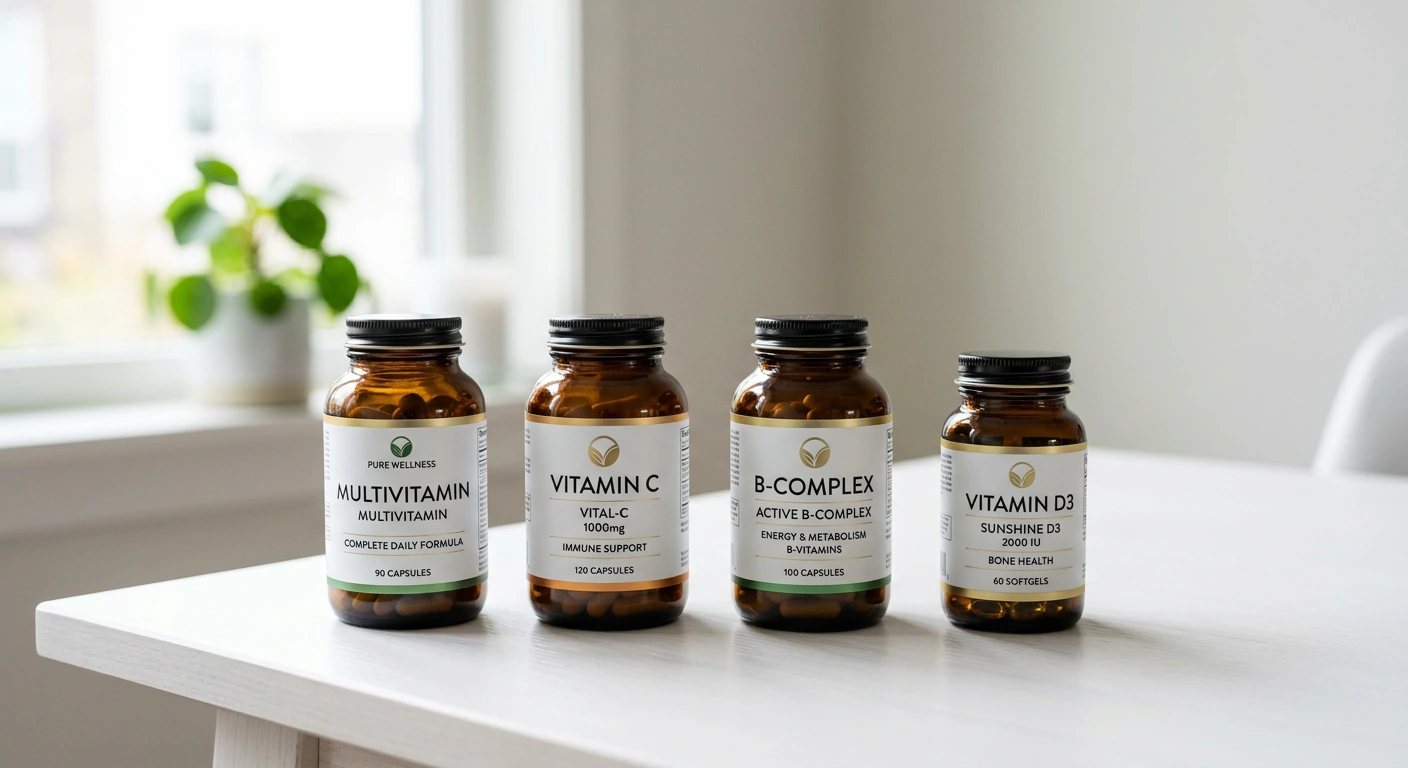
4.1 Vitamins and Multivitamins
Vitamins are the backbone of the supplement industry. China is the world’s largest producer of several key vitamins, including vitamin C, vitamin E, and several B vitamins, which gives Chinese manufacturers a structural cost advantage.
- Water-soluble vitamins: vitamin C, B-complex (B1, B2, B3, B5, B6, B7, B9, B12).
- Fat-soluble vitamins: A, D2/D3, E, K1/K2 — typically formulated in softgels or oil-based drops.
- Multivitamin formulas combining 10–30+ nutrients for general wellness, prenatal, men’s, women’s, and 50+ life-stage products.
Chinese formulators are experienced in addressing stability challenges (e.g., vitamin C oxidation, vitamin B12 light sensitivity) and can deliver coated, time-released, or liposomal formats for improved absorption.
4.2 Minerals
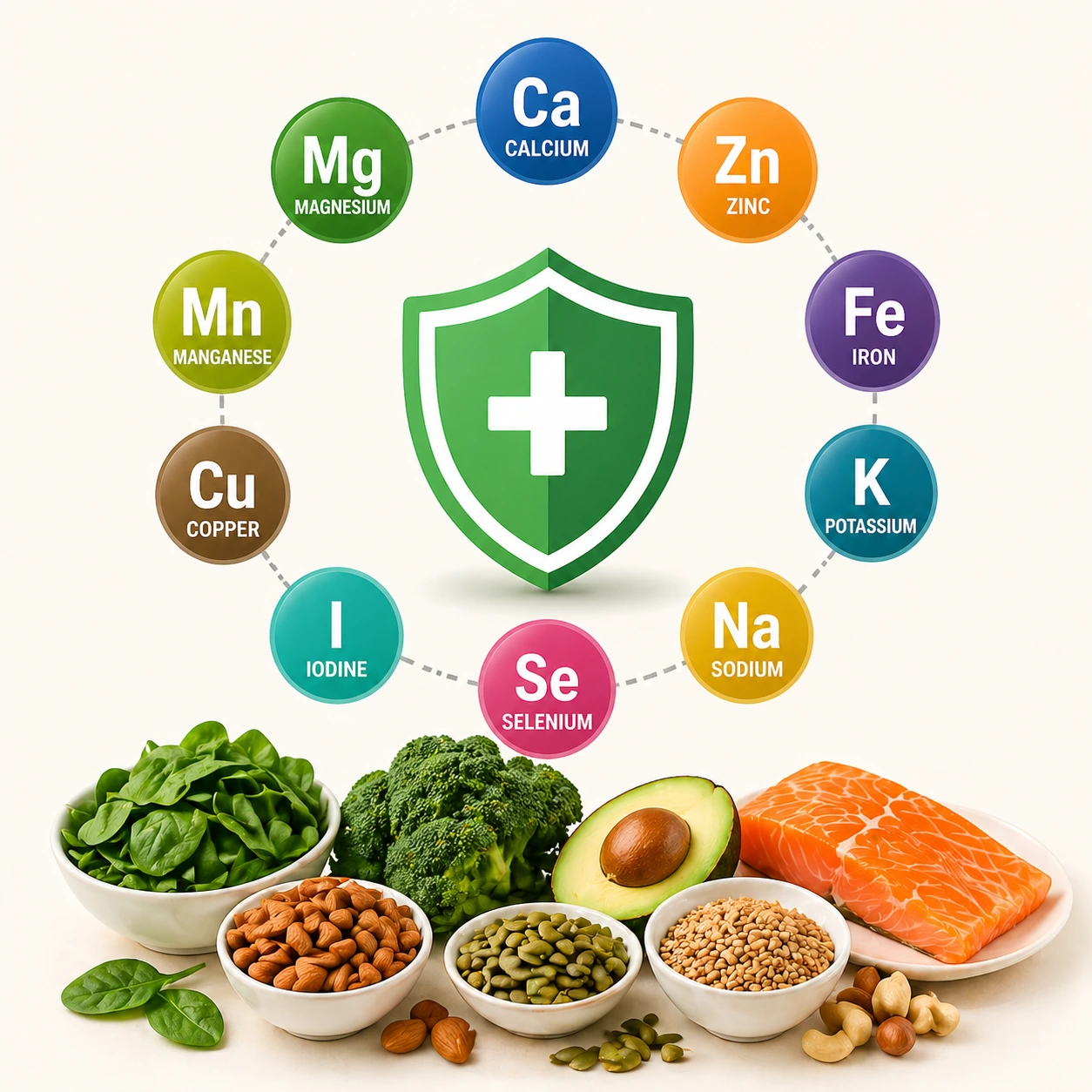
Minerals are a high-volume supplement category, and China dominates global production of many mineral raw materials, including magnesium compounds, zinc, calcium carbonate, and iron salts. Key mineral supplements include:
- Magnesium — glycinate, citrate, malate, oxide, and chloride forms for sleep, muscle, and stress support.
- Calcium — carbonate and citrate, often combined with vitamin D3 and K2.
- Zinc — picolinate, gluconate, and citrate for immunity and skin health.
- Iron — bisglycinate and ferrous forms for anemia support.
- Trace minerals — selenium, chromium, iodine, and electrolytes (sodium, potassium, chloride).
An important trend is chelated minerals, where the mineral is bound to an amino acid for better absorption. Chinese manufacturers now offer a full range of chelated forms (e.g., magnesium glycinate, zinc picolinate) at competitive prices.
4.3 Botanical and Herbal Extracts
Herbal supplements are a traditional strength of Chinese manufacturing, thanks to centuries of herbal medicine expertise and access to domestic botanical sources. Common categories include:
- Adaptogens: ashwagandha, ginseng, rhodiola, schisandra, maca, holy basil.
- Sleep and relaxation herbs: valerian, passionflower, lemon balm, chamomile.
- Immune herbs: elderberry, echinacea, astragalus, reishi mushroom.
- Metabolic and weight herbs: green tea extract (EGCG), Garcinia cambogia, bitter melon, berberine.
- Traditional Chinese medicine botanicals: goji berry, ginkgo biloba, milk thistle, curcumin/turmeric.
Chinese suppliers excel at standardized extracts with documented marker compounds (e.g., 5% withanolides for ashwagandha, 95% curcuminoids for turmeric), backed by HPLC testing and certificates of analysis. This standardization is essential for brands that need consistent dosing and label claims.
4.4 Probiotics, Prebiotics & Postbiotics
The gut health category has exploded in recent years, and China has become a major producer of probiotic supplements in capsule, powder, and gummy formats. Key considerations:
- Probiotic strains: Lactobacillus, Bifidobacterium, and Bacillus coagulans strains with strain-specific research.
- CFU counts: typically 1–100 billion CFU per serving, requiring careful strain selection and stability testing.
- Delivery technology: enteric-coated capsules, freeze-dried powders, and shelf-stable spore probiotics.
- Prebiotics: inulin, fructo-oligosaccharides (FOS), galacto-oligosaccharides (GOS), and resistant dextrin.
- Postbiotics and synbiotics: fermented ingredients combined with prebiotics and probiotics.
China also produces many probiotic raw strains domestically and has strong capabilities in freeze-drying and microencapsulation, which are critical for probiotic stability.
4.5 Proteins and Amino Acids
Sports nutrition and active lifestyle products drive enormous demand for protein and amino acid supplements. Chinese manufacturers produce:
- Whey protein (concentrate, isolate, hydrolysate) — often imported from global dairy sources but formulated and packed in China.
- Plant proteins: pea, rice, soy, and pumpkin seed proteins for vegan lines.
- Collagen peptides: marine and bovine collagen, a massive export category for China.
- Amino acids: creatine monohydrate, L-carnitine, BCAA (leucine, isoleucine, valine), beta-alanine, taurine, and L-arginine.
China is one of the largest global producers of creatine monohydrate and several amino acids, giving local manufacturers a direct cost advantage in sports nutrition formulations.
4.6 Omega-3 and Fatty Acids
Omega-3 supplements — fish oil, krill oil, and algal oil — are typically delivered as softgels or liquids. China is a major player in the global fish oil supply chain, both as a producer and a processor:
- Fish oil (EPA/DHA concentrates) with molecular distillation for purity.
- Algal DHA for vegan omega-3.
- Krill oil and phospholipid-bound omega-3.
- Other fatty acids: evening primrose oil (GLA), borage oil, flaxseed oil (ALA).
Quality markers for omega-3 include oxidation values (peroxide value, anisidine value), heavy metal testing, and certification by bodies such as IFOS (International Fish Oil Standards). Established Chinese softgel manufacturers routinely provide these test reports.
4.7 Enzymes
Digestive enzyme supplements support the breakdown of food and are increasingly popular worldwide. Common enzymes produced and formulated in China include:
- Proteases (bromelain, papain, fungal proteases) for protein digestion.
- Amylases and glucoamylases for carbohydrate digestion.
- Lipases for fat digestion.
- Lactase for lactose intolerance support.
- Multi-enzyme blends for comprehensive digestive support.
Enzymes require careful handling because they are sensitive to heat, moisture, and stomach acid; enteric coating or delayed-release capsules are common solutions that Chinese manufacturers provide.
4.8 Nootropics and Longevity Ingredients
The cognitive health and healthy-aging categories are among the fastest-growing premium segments. China plays a central role in the production of several key ingredients:
- NMN (nicotinamide mononucleotide) and NR (nicotinamide riboside) — NAD+ precursors for cellular energy and longevity.
- CoQ10 (ubiquinone and ubiquinol) — heart and energy support.
- Phosphatidylserine, citicoline, and L-theanine — cognitive and focus ingredients.
- Ergothioneine — an emerging antioxidant for cellular protection.
- Pterostilbene, resveratrol, and spermidine — longevity-focused actives.
China is a leading producer of NMN and CoQ10 raw materials, which makes it the natural sourcing destination for brands entering the longevity market.
5. Supplement Types by Health Goal
Consumers rarely think in terms of dosage forms or ingredients — they think in terms of outcomes. The most commercially successful supplement lines are organized around clear health goals. Chinese manufacturers produce full portfolios for every major goal:
| Health Goal | Typical Formats | Key Ingredients |
|---|---|---|
| Immunity support | Gummies, tablets, effervescent, drops | Vitamin C, zinc, elderberry, echinacea, vitamin D3, propolis |
| Sleep & relaxation | Gummies, capsules, powders, sprays | Melatonin, magnesium glycinate, L-theanine, valerian, GABA |
| Gut health | Capsules, powders, gummies | Probiotics, prebiotic fiber, digestive enzymes, glutamine |
| Joint & bone | Softgels, tablets, capsules | Collagen, glucosamine, chondroitin, calcium, vitamin D3/K2, hyaluronic acid |
| Beauty & skin | Gummies, powders, oral liquids | Collagen peptides, biotin, hyaluronic acid, vitamin C, astaxanthin |
| Sports & energy | Powders, capsules, tablets | Whey protein, creatine, BCAA, beta-alanine, caffeine, electrolytes |
| Women’s health | Capsules, gummies, tablets | Iron, folate, cranberry, D-mannose, evening primrose oil, prenatal vitamins |
| Men’s health | Capsules, softgels, tablets | Zinc, saw palmetto, maca, tribulus, L-arginine, fenugreek |
| Weight management | Capsules, powders, gummies | Garcinia, green tea extract, CLA, konjac fiber, berberine, L-carnitine |
| Cognition & longevity | Capsules, softgels, drops | NMN, CoQ10, phosphatidylserine, ginkgo, DHA, creatine |
When developing a product line, the most successful brands pick a hero health goal, select 1–3 formats, and build around 2–5 proven ingredients. A capable Chinese OEM partner can guide this process from concept to finished, tested product.
6. Quality, Compliance & Certifications: What Chinese Manufacturers Offer
The most common concern international brands have about Chinese manufacturing is quality. The reality is that China’s supplement industry is regulated by national standards (GB standards), and the country has a large number of manufacturers certified to international quality systems. When evaluating a factory, look for the following credentials:
- cGMP certification (China’s GMP standard for health foods, or US-style cGMP compliance) — the baseline for production quality.
- ISO 22000 / HACCP — food safety management systems covering the whole production chain.
- FDA registration — US FDA facility registration and product notifications where applicable.
- Halal certification — essential for Middle Eastern and Southeast Asian markets.
- Kosher certification — for Jewish-market products.
- Organic certification (USDA, EU, or China organic) — for organic herbal and botanical lines.
- Third-party testing — independent lab COAs for potency, heavy metals, microbials, and contaminants (e.g., Eurofins, SGS, Intertek).
- Export documentation — certificates of free sale, health certificates, and customs documentation for smooth import.
Beyond certificates, ask for: a full specification sheet for every ingredient, stability study data, batch production records, and finished-product COAs for every batch. Reputable Chinese manufacturers provide all of these as standard practice.
7. How to Choose the Right Chinese Supplement Manufacturer
Selecting a manufacturing partner is the single most important decision in your supplement business. Use this framework to evaluate candidates:
Step 1: Verify certifications and facilities
Request copies of cGMP, ISO, HACCP, Halal, and Kosher certificates and verify them with the issuing bodies. If possible, arrange a factory audit, either in person or via video walkthrough, and check that production areas are clean, organized, and properly separated.
Step 2: Assess formulation and R&D capability
Ask whether the manufacturer has in-house formulators, a lab, and the ability to develop custom formulas from scratch. The best partners offer formulation development, stability testing, and sample iterations before full production.
Step 3: Evaluate raw material sourcing
Ask where ingredients come from, whether they are tested on arrival, and whether the factory has supplier qualification programs. Vertical integration of raw materials is a major advantage of Chinese manufacturing.
Step 4: Check MOQs and pricing transparency
Minimum order quantities vary widely by format: tablets and capsules may start at 10,000–50,000 units, while gummies and softgels often require 50,000–100,000+ units. Get itemized quotes covering raw materials, production, packaging, testing, and shipping.
Step 5: Review testing and quality control processes
Confirm in-process testing, finished-product testing, retained samples, and third-party lab reports. Ask how batch failures are handled and whether you receive full COAs with every shipment.
Step 6: Test communication and responsiveness
Your manufacturer is your long-term partner. Evaluate response times, English proficiency, and willingness to share documentation. A manufacturer that communicates poorly during the sales process will communicate worse during production.
Step 7: Start with a pilot order
Run a small pilot batch before committing to large volumes. Test the product, review the documentation, and validate the import process in your target market before scaling.
8. Costs, MOQs and Lead Times: What to Expect
Understanding typical commercial terms helps you plan your product launch realistically:
| Parameter | Typical Range (Chinese Manufacturers) |
|---|---|
| Tablet MOQ | 10,000–50,000 tablets |
| Capsule MOQ | 10,000–100,000 capsules |
| Softgel MOQ | 50,000–200,000 softgels |
| Gummy MOQ | 50,000–150,000 gummies (or 100–300 kg) |
| Powder MOQ | 100–500 kg per SKU |
| Liquid/drop MOQ | 5,000–20,000 bottles |
| Formulation development | 2–6 weeks (plus stability testing 3–6 months) |
| Production lead time | 2–6 weeks after sample approval |
| Shipping (sea freight) | 25–45 days to US/EU; 15–30 days to Middle East |
Prices vary by ingredient costs, which fluctuate with commodity markets. A serious manufacturer will quote transparently and explain what drives each line item.
9. Frequently Asked Questions
Is it safe to manufacture supplements in China?
Yes, when you work with a certified manufacturer and verify its quality systems. China’s supplement industry includes many cGMP-certified, export-oriented factories that serve major global brands. The key is due diligence: verify certifications, audit facilities, require third-party testing, and start with a pilot batch.
What is the difference between OEM and ODM?
OEM (Original Equipment Manufacturing) means you provide the formula and the factory produces it to your specification. ODM (Original Design Manufacturing) means the factory provides the formula, design, and production — ideal for brands that want ready-made, market-proven formulations under their own label.
What is the minimum order quantity for gummy supplements?
Gummy MOQs typically range from 50,000 to 150,000 gummies, depending on the factory and the number of SKUs. Some manufacturers offer lower MOQs for pilot runs or multiple-SKU programs.
How long does it take to launch a private label supplement?
With a ready-made ODM formula, you can launch in 6–10 weeks including production and shipping. With a custom formula, plan for 4–6 months to allow for formulation, stability